Cheap, Good Tokyo: It´s (Not) 9-5 Time
Master the city’s hidden dining grids, local timing rituals, and resident-only digital platforms to avoid all tourist-clogged zones.
The Tokyo Resident Shortlist: The Nitty-Gritty
1. The “Depachika” Markdown Hunt
Department store basements—specifically Daimaru Tokyo or Tobu Ikebukuro—are high-end culinary hubs that transform into budget goldmines. The resident move is to arrive between 19:00 and 19:30, when “Half-Price” (hangaku) stickers are applied to premium bento, sushi, and wagyu sets. It is the most efficient way to access world-class food at a fraction of the cost.
2. The “Salaryman” Alley Network
The true Tokyo food culture is found in the narrow alleys near major transit hubs like Shimbashi or the Omoide Yokocho (“Memory Lane”) area of Shinjuku. Search for “居酒屋” (Izakaya) or “焼き鳥” (Yakitori) in these districts. Look for cramped, counter-only spots where locals are shoulder-to-shoulder; if the menu is handwritten and the smoke is thick, you have found a genuine neighborhood staple.
3. The “Tachinomi” Social Loop
“Standing bars” (tachinomi) are the ultimate Tokyo utility dining, allowing for a quick, high-quality drink and snack before heading home. Search “立ち飲み” (Tachinomi) in districts like Koenji or Ueno. These spots are exceptionally friendly—the social norm is to squeeze in, share space, and enjoy whatever seasonal small plates are on the chalkboard that night.
4. The “Kissaten” Morning Ritual
Tokyo’s morning rhythm is anchored by the Kissaten—traditional coffee shops like Tajimaya Coffee House or classic spots in Jinbocho. Search “喫茶店” (Kissaten) to find these “second living rooms”. Order the “Morning Set” (toast, egg, and coffee) to experience the quiet, nostalgic side of the city that exists before the neon lights and crowds take over.
5. The Residential “Teishoku” Grid
For the most affordable meals, move away from the station hubs into residential wards like Toshima (Ikebukuro) or Nakano. Search “定食屋” (Teishoku-ya) to filter for independent set-meal diners. Focus on shops with faded noren (door curtains) and a lack of English signage; these are the neighborhood workhorses serving high-quality, balanced meals for ¥800–¥1,200.
6. The “Konbini” Craft Culture
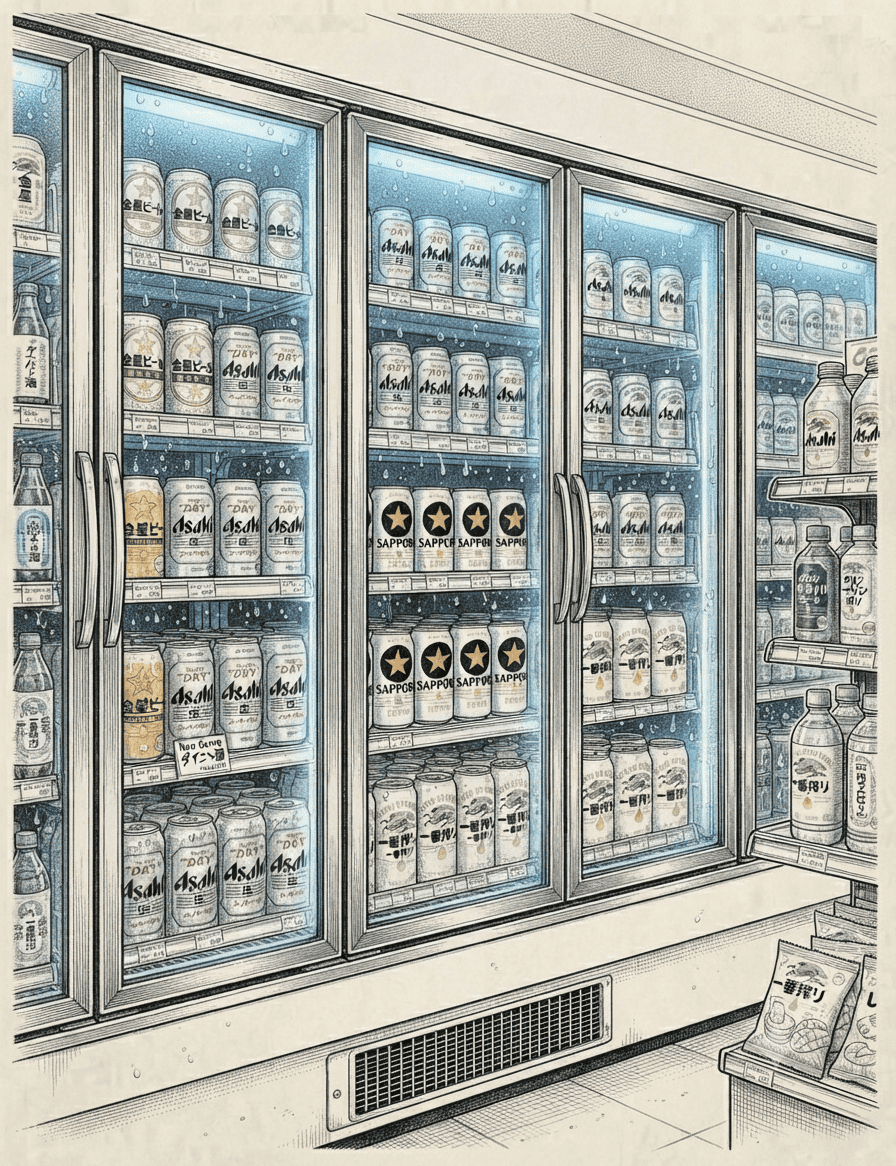
In Tokyo, convenience stores (konbini) are not “gas station food”—they are a high-quality, seasonal supply chain. Whether it is the famichiki (fried chicken) from FamilyMart or the perfect tamago sando (egg sandwich) from Lawson, these shops are a vital part of the resident diet. Treat the konbini as a legitimate, reliable kitchen for late-night snacks or quick, high-standard breakfast and lunch options.meals that are significantly cheaper than anything in the central tourist zone.
Here´s Your Tokyo CheapGood Cheat Sheet
Three notes, three ways to avoid the tourists.
1. The “Tabelog 3.5” Filter
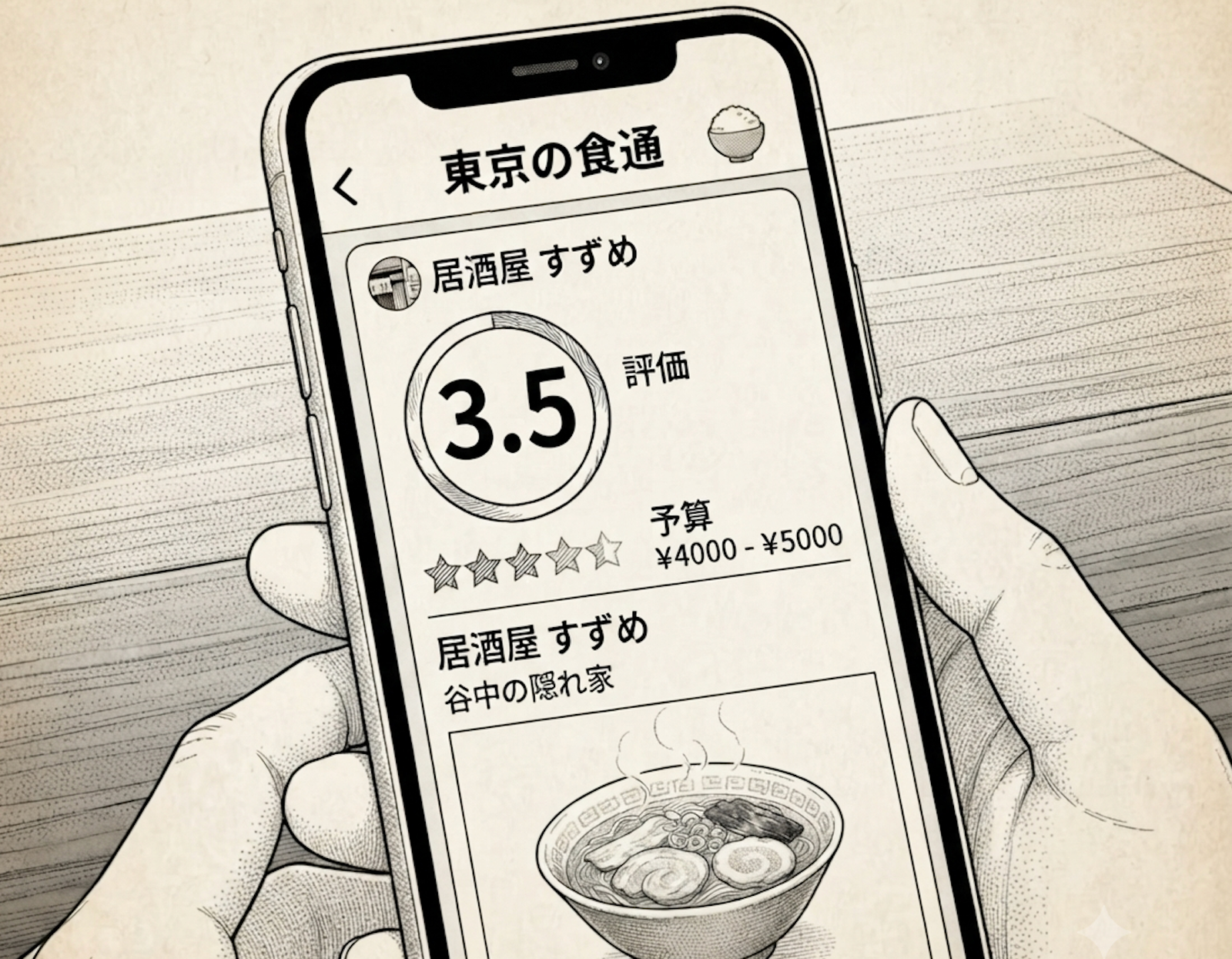
While Google and Yelp drive tourist traffic, locals rely on Tabelog to find where the city actually eats. Because the platform is notoriously strict and used primarily by residents, a rating of 3.5 or higher is the gold standard for quality. Use the English version of the site to identify neighborhood gems that never appear on global “top 10” lists.
2. The Salaryman’s Off-Peak Timing
Tokyo dining is dictated by the office clock. To eat like a resident and avoid the tourist lines, time your meals for the “salaryman gaps”—lunch before 12:00 or dinner either before 17:00 or after 20:00. Eating during these windows guarantees better service and often unlocks exclusive, lower-priced “daily lunch sets” that vanish during the primary rush.
3. The “Omakase” Strategy
When you enter a small, local counter-style restaurant with no English menu, avoid the temptation to ask for a simplified translation. Instead, use the Japanese phrase “Osusume wa?” (What do you recommend?) or simply point at what the local next to you is eating. You´ll move past tourist menu and receive the seasonal special that the chef is actually proud to cook that day.
Want to receive a launch email?
CheapGood is about finding the meals locals eat every day that deliver exceptional quality for less money than you´d expect to pay. We´re currently verifying our lists and curating our notes… leave your email and receive a notification when we launch.
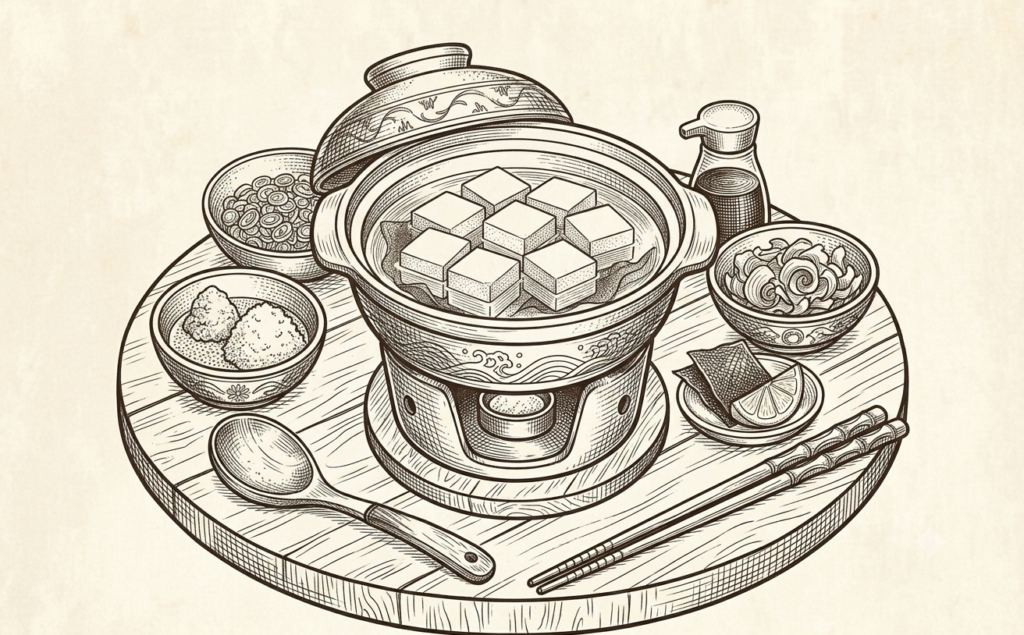
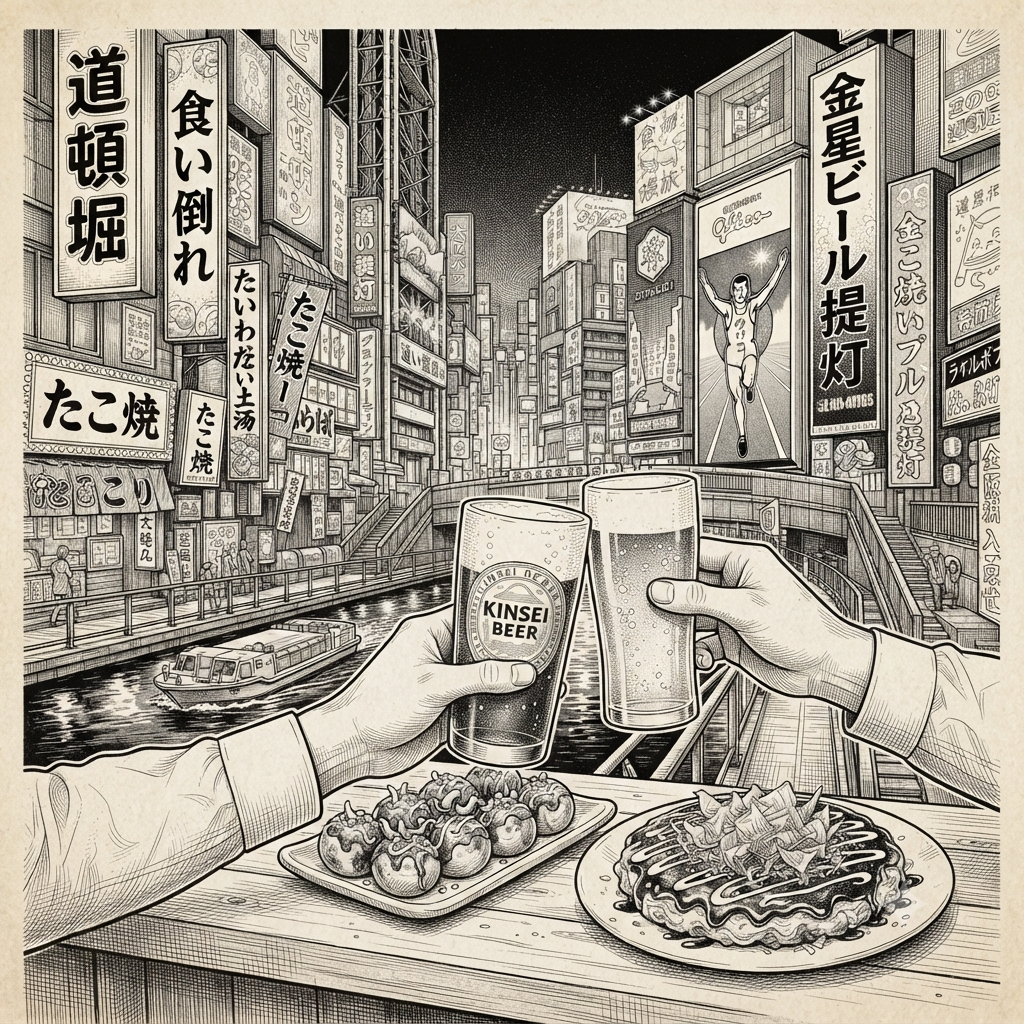
Kuidaore (食い倒れ) — “eat until you go broke.”
Osaka wins the food war. There.
It literally means “to eat oneself into ruin” (kui = eating, taore = collapse/fall down), capturing the idea that a person might spend all their money pursuing great food. It is not about gluttony so much as Osaka’s deep cultural pride in eating well, where enjoying delicious food is considered one of life’s greatest pleasures.

Japan: Different and Better
In many countries, “cheap food” implies compromise. In Japan, it usually doesn’t.
The philosophy isn’t “finding bargains.” It’s discovering where ordinary people actually eat every day.
Tiny ramen shops.
Family-run udon shops.
Gyudon chains.
Curry houses.
Yakitori counters.
Tempura specialists.
Our target across these meals will be:
¥600–1,200 ($4–8)
The quality is often astonishing.