Japanese Beer Culture 201
The “salaryman” after-work drinking culture is centered on nomikai (drinking gatherings) and the concept of nomunication—a portmanteau of nomu (to drink) and “communication”. While historically a near-mandatory extension of corporate life, it serves as a critical social outlet in a culture where office interactions are often formal, hierarchical, and reserved.
The Role of “Nomunication” in Japanese Drinking Culture
- Breaking Barriers: Japanese office life is governed by honne (true feelings) and tatemae (public facade). I mean, aren´t we all trapped right there? But at least in Japan Nomikai sessions act as a “pressure valve,” allowing colleagues to bypass rigid workplace hierarchies and express themselves more freely.
- Assessing Talent: Because formal evaluation systems can be limited in traditional firms, managers have historically used these informal settings to assess employees’ personalities, interaction styles, and commitment to the team. (Is that really any different than everywhere else in the world? Let´s be fr.)
- Building Social Capital: For decades, attending these events was considered essential for career advancement, team bonding, and networking. (Again, fr.)
Japanese Beer Culture 201: Etiquette
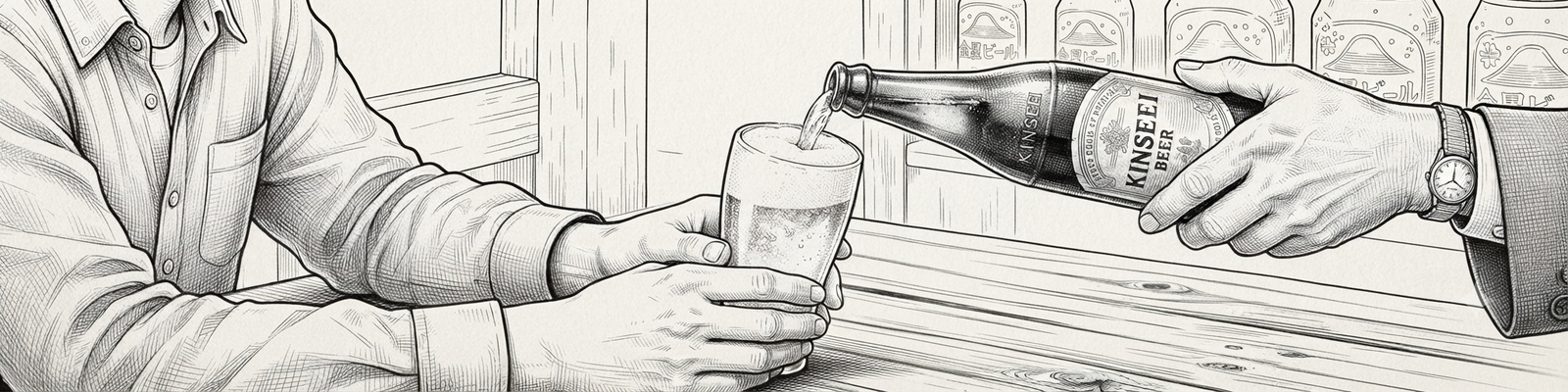
Know your Role: It is standard practice to pour drinks for others rather than yourself, starting with your superiors. When clinking glasses, it is polite for a junior to keep their glass slightly lower than a senior’s to show respect. Don´t forget this! It´s like forgetting to bow. Or worse.
The “Bureikō” Concept: During these sessions, there is an implicit understanding of bureikō—a temporary suspension of rank where frank displays of emotion or opinion are forgiven or ignored once back at the office.
The Progression: A typical night often moves from an ichijikai (first pasing this if you need to provide more context on why you do what you do. Be engaging.
The Modern Shift in Japanese Drinking Culture
The rigid “salaryman” drinking model is undergoing a significant transformation:
- Work-Life Balance: Government-led Work Style Reform initiatives and a shift in generational priorities have reduced the pressure to stay out late. Participation in workplace nomikai has declined, with many workers now viewing them as “unnecessary” or a form of unpaid overtime.
- Legal Protections: Since 2022, Japan’s power-harassment laws have made it risky for managers to coerce subordinates into drinking. The term aru-hara (alcohol harassment) is now widely used to describe coercive drinking behavior.
- Changing Demographics: Younger employees and working parents are increasingly prioritizing personal time, leading to a decline in the frequency of year-end and project-wrap parties compared to the 2010s.
Read the Room, Girlfriend.
Here´s the correct order to start the night, drinks-wise.
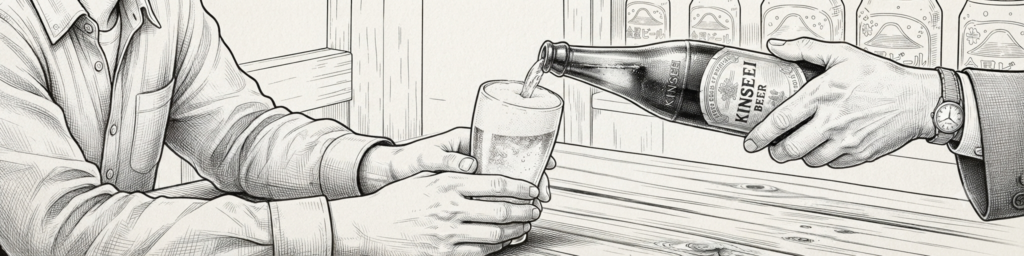
The “Kanpai” Hierarchy
While teishaku (pouring for others) is the primary etiquette, the group kanpai (cheers) usually happens once everyone has a drink. The youngest or lowest-ranking person should wait to take their first sip until superiors have initiated the toast.
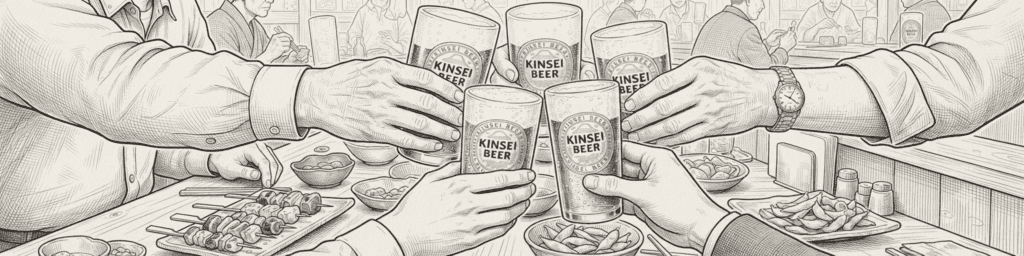
The “One-Beer” Rule (Starter)
IIn many izakaya, it is customary to start with a large beer for the table (“toriaezu biiru”—”beer for now”). It is an efficient, culturally standardized way to synchronize the start of the meal.
Step 1. Where Are You? The Venue Determines the Tone…
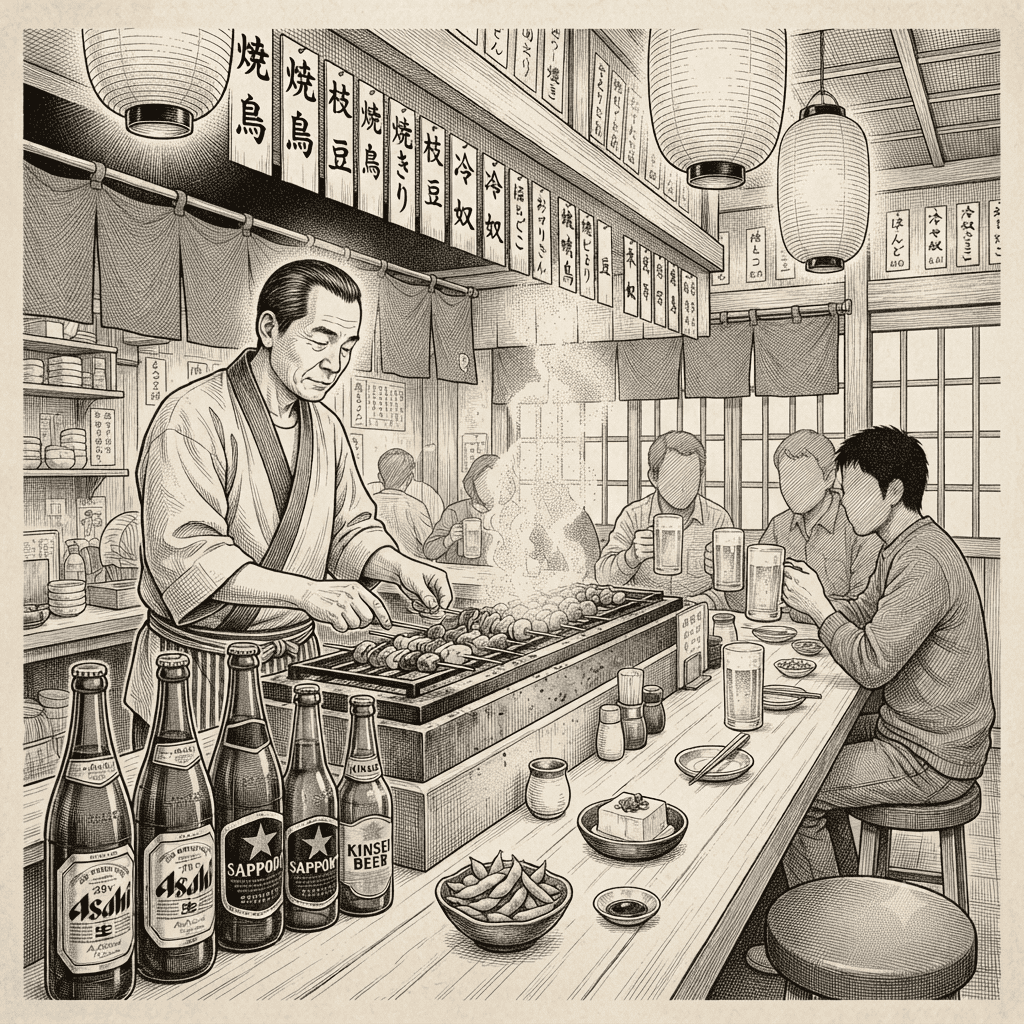
Izakaya (Casual Pubs)
These remain the primary venue for beer. The environment is loud and communal, designed for sharing large dishes, which naturally encourages the consumption of pitchers or multiple rounds of beer.
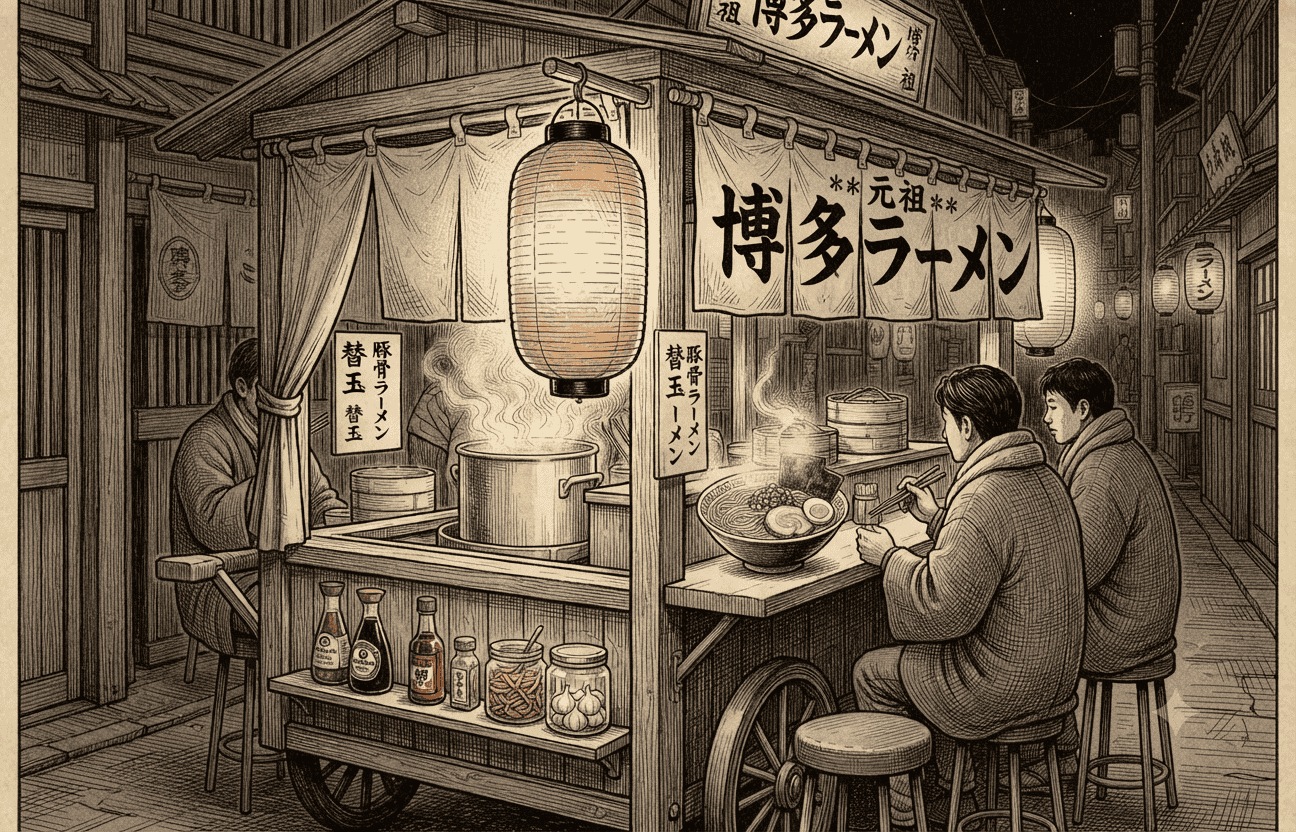
Tachinomi (Standing Bars)
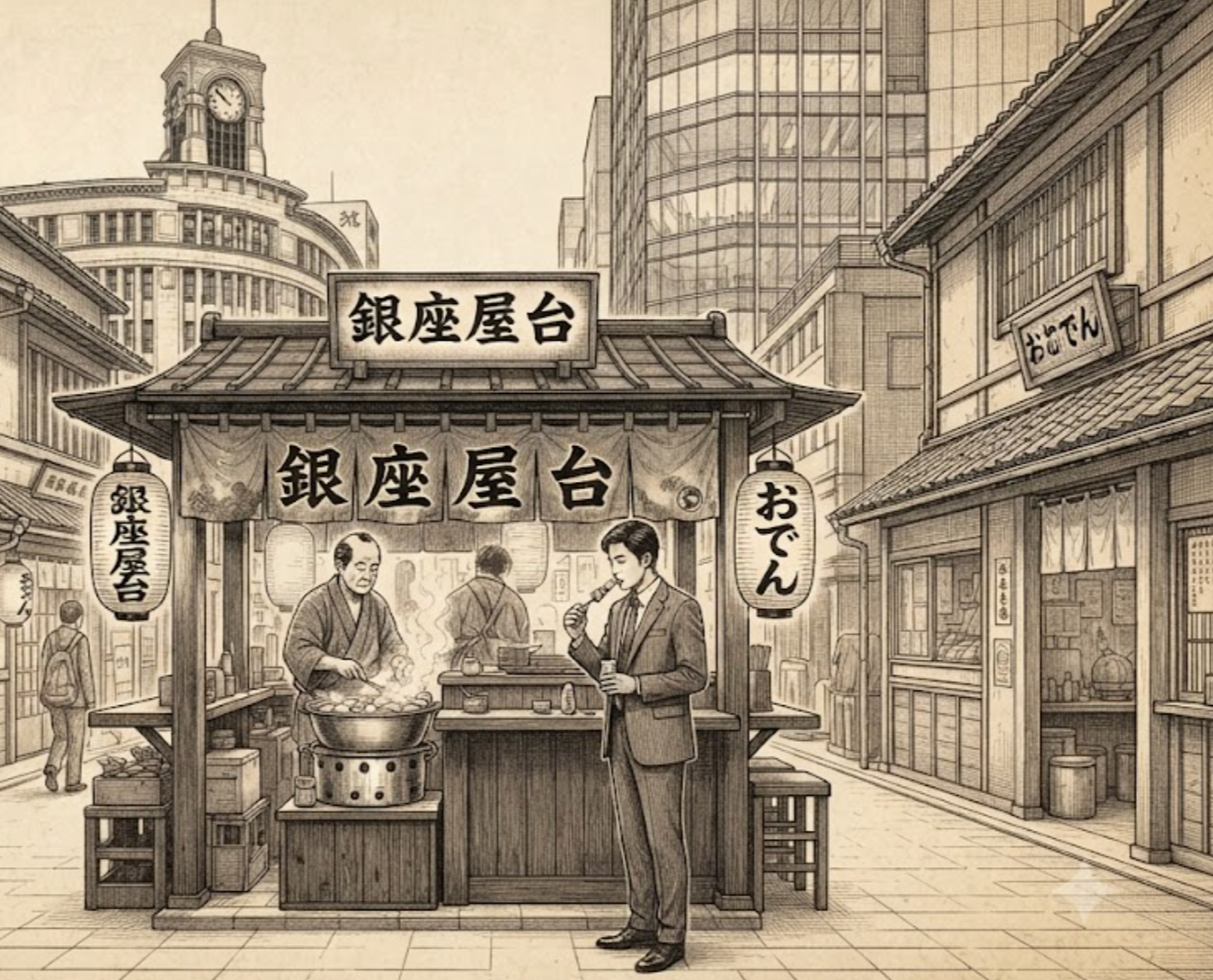
A popular choice for a quick drink after work or before catching a train. These venues emphasize brevity and mobility, where beer is often consumed standing, removing the formal etiquette associated with seated dining.
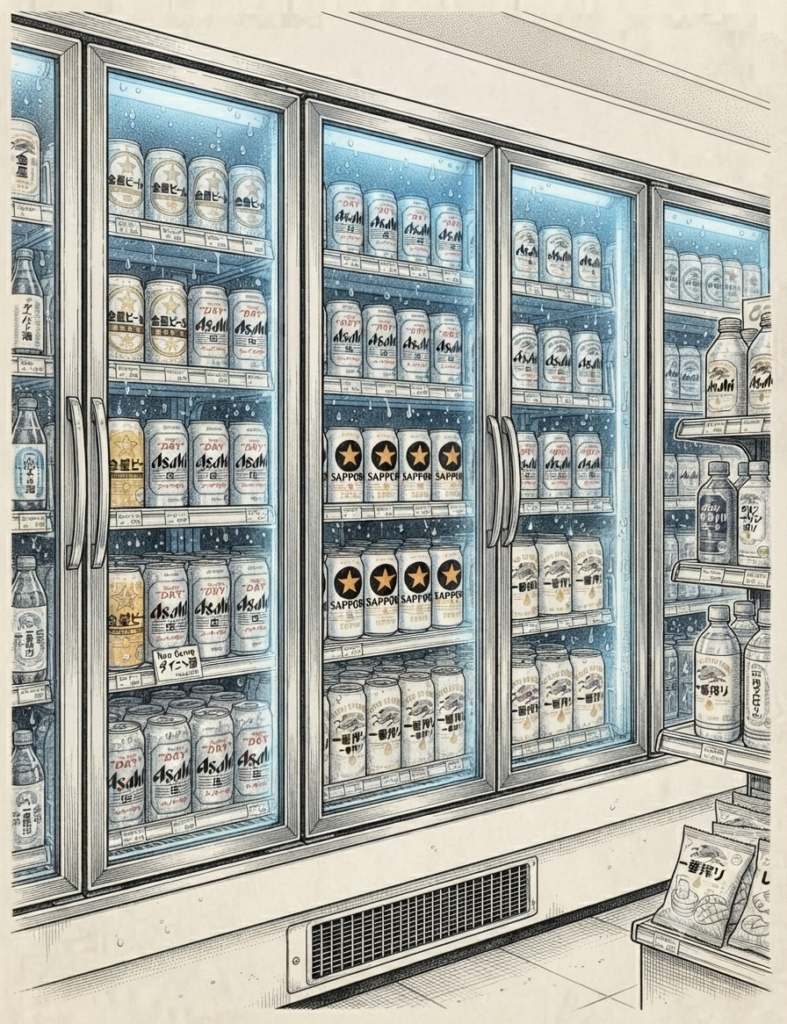
Konbini (Convenience Stores)
IWith Japan’s relatively relaxed open-container laws in certain public areas, buying a “tall boy” at a convenience store to enjoy at a park, riverbank, or even while walking is a socially accepted way to decompress.
Step 2. Always Check the “Flavor” of the Hangout
Gauge whether the gathering is a formal office nomikai that demands traditional etiquette, or a relaxed tachinomi where you can simply focus on enjoying your drink.
The Evolution of Social Etiquette
- Individualism: Younger generations are increasingly breaking away from the “group-first” mentality. Solo drinking, whether at a high-end craft beer bar or a quiet neighborhood spot, is no longer stigmatized.
- Aru-hara (Alcohol Harassment): The cultural landscape has shifted sharply against peer-pressured drinking. It is now common for hosts at social gatherings to offer non-alcoholic beer options explicitly, ensuring those who choose not to drink are fully included without social friction.
- The “Slow” Drink: There is a growing trend of “quality over quantity.” Rather than the historical goal of getting intoxicated to bond, many modern Japanese drinkers prefer visiting specialized craft breweries to analyze flavor profiles, treating beer with the same reverence as wine.
Seasonal Socializing
Social life in Japan is heavily dictated by the calendar, and beer advertising and consumption follow suit:
Beer Gardens: During the humid summer months, rooftop beer gardens open across city centers, serving as the default location for large-scale social reunions and seasonal celebrations.
Hanami (Cherry Blossom Viewing): In spring, parks become massive, temporary beer gardens where social boundaries are at their loosest.
Essential Beer Kanji
アルコール分
Arukooru-bun: Indicates the Alcohol by Volume (ABV). As noted above, most standard Japanese lagers hover around 5%, but many are creeping into the sixes, so do your reading.
糖質ゼロ
Toushitsu Zero: “Zero sugar” or “zero carbohydrates.” This is very common in the happoshu and new genre categories, catering to health-conscious consumers.
原材料
Genryou: The ingredients list. Look for 麦芽 (Bakuga)—this is “malt.” If it is listed early in the ingredients, it is a true beer. If you see 大豆 (Daizu) (soy) or えんどう豆 (Endoumame) (peas), you are looking at a new genre product.
ビール
Biiru: Pasteurized! A more stable, traditional beer. May have a slightly richer, less “spritzy” character than its Nama counterpart.
瓶 / 大瓶
Large Bottle: Look for this on menus. It´ll be the traditional O-Bin (large bottle, usually ~633ml) staple size you´ll order to share in an izakaya.
ノンアルコール
Non-alcoholic: In Japan, products labeled as “non-alcoholic” typically contain less than 1.0% alcohol by volume, and the vast majority of mainstream brands are engineered to contain 0.00% alcohol.