Cheap, Good Sapporo: No Subway Stops
Skip the ramen alleys and long-queue soup curry shops in favor of residential neighborhood eateries or basement-level izakayas. Prioritize the lower levels of major department stores like Daimaru, which offer high-quality, local Hokkaido seafood and regional bentos at transparent prices.
Six Ways to Eat Like a Resident in Sapporo
1. The “Shime-Parfait” Finish In Sapporo, the night doesn’t end with more alcohol; it ends with a shime-parfait (closing parfait). Locals head to specialized late-night cafes in Susukino after dinner for elaborate, alcohol-infused fruit desserts, a ritual that serves as the city’s standard “final course.”
2. Bypass the Beer Garden Hype The massive beer gardens draw busloads of tour groups. For the real experience, seek out “Genghis Khan” (lamb BBQ) specialty shops in residential neighborhoods that use charcoal grills rather than gas. If the air is thick with smoke and the customers are local office workers in heavy coats, you’re in the right place.
3. The Nijo Market Strategy Nijo Market is the go-to for seafood, but most tourists hover at the main-street entrances. Walk to the secondary, inner alleys of the market where the shops have lower ceilings and handwritten “today’s catch” signs; this is where the market vendors themselves eat their breakfast bowls.
4. Miso Ramen’s “Butter-Corn” Exception While miso ramen is the city staple, locals distinguish between tourist-geared ramen chains and “sumire-style” independent shops. Don’t be afraid to add butter and corn—what tourists call a “gimmick” is actually a regional method designed to insulate against Hokkaido’s extreme sub-zero winters.
5. Avoid the “Soup Curry” Rush Famous soup curry spots often have two-hour wait times. Instead, search for basement-level izakaya that offer “Curry-nabe” or soup curry as a secondary menu item. You will get the same spice profile and Hokkaido-grown vegetable quality without the queue of international visitors.
6. The Convenience of “Dairy-First” Snacking In Sapporo, convenience store dairy quality is significantly higher than elsewhere in Japan. Look for soft-serve ice cream or yogurt sold at shops near the local subway exits rather than dessert cafes; these serve local Hokkaido dairy brands that are often fresher and less expensive than the “tourist-famous” sweets boutiques.
Your Sapporo Japan Cheat Sheet
Three notes, three ways to avoid the tourists.
1. The Subway-Exit Rule
Avoid the main thoroughfares of Odori and Susukino. Look for high-density, independent eateries located exactly one or two subway stops away from the city center (like Maruyama-koen or Kita-18-jo). These neighborhoods cater to local residents and Hokkaido University students, offering authentic Genghis Khan and ramen without the tour-group influx.
2. Time Your “Genghis Khan” to the After-Work Shift
Avoid the 18:00–20:00 dinner rush at famous lamb BBQ halls. Instead, visit during the “second-wave” shift—arriving at 21:00 or later. You will skip the tourist lines and sit among local office workers who are finishing their workday, often securing better seating and fresher service in the process.
3. The Department Store Underground Pivot
While tourists crowd the street-level restaurants, head to the lower levels (B1/B2) of local department stores like Daimaru or Esta. These are not just food courts; they function as a curated index of the region’s best local purveyors. You can sample high-quality Hokkaido crab, specialized dairy, and regional bento at the same level as the locals, with zero wait times.
Where and How to Drink Authentic Sapporo Beer
The history of Japanese beer is inextricably linked to the rapid development of Hokkaido in the late 19th century. In 1876, the Kaitakushi Beer Brewery was established in Sapporo, taking advantage of Hokkaido’s cool climate, which was ideal for cold-brewing techniques brought over from Germany. The brewery’s signature red-brick buildings and towering chimney remain today as symbols of this pioneering era, when Japanese brewers trained abroad helped formalize the country’s beer culture.
The Sapporo Ritual
A visit to the Sapporo Beer Museum and Garden offers a window into this heritage. The museum traces the evolution of the brand from its government-led origins to its eventual privatization and status as an industry leader. At the onsite tasting halls, visitors can sample a variety of brews, typically ranging from 450 JPY for a standard Black Label or the Hokkaido-exclusive “Sapporo Classic” to 550 JPY for the historically inspired “Kaitakushi Beer”.
The Perfect Pairing: Jingisukan
While the beer is the draw, the essential culinary accompaniment in Sapporo is Jingisukan (Genghis Khan). Named after the Mongolian conqueror, this dish features lamb or mutton grilled on a convex, helmet-shaped metal skillet alongside vegetables like onions, cabbage, and bean sprouts.
Historical Origins: The dish was popularized in Hokkaido during the 1960s as mutton imports increased, though its origins are often traced to Japanese interpretations of northeastern Chinese grilled mutton dishes.
The Technique: The domed grill is designed to allow excess fat to drain away, ensuring the meat is seared properly. It is traditionally eaten with a dipping sauce that highlights tangy notes of apple and lemon.
Dining Culture: Whether you choose the bustling, atmospheric beer halls or the more refined Garden Grill, the experience is quintessentially Hokkaido—combining industrial history with a communal, DIY style of cooking.
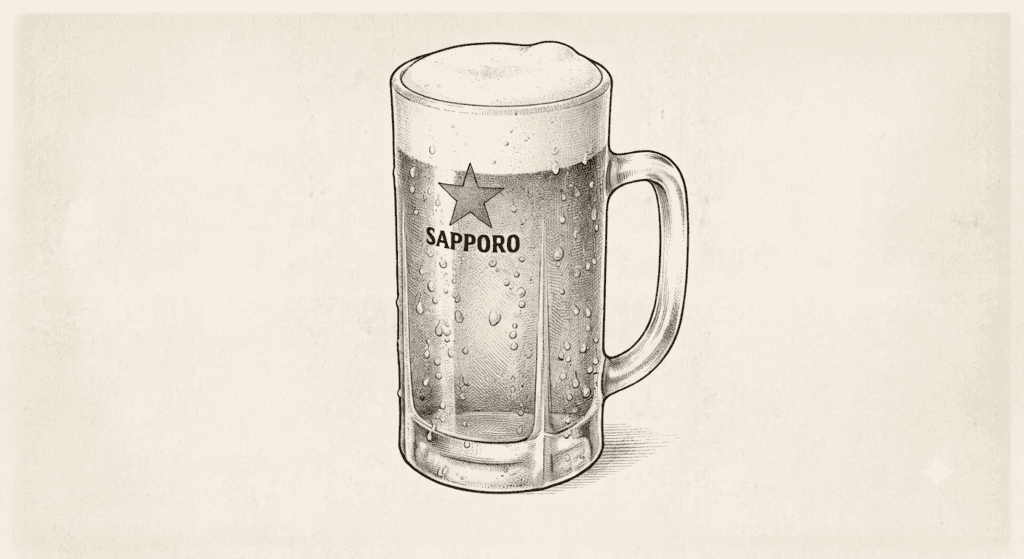
For travelers, the Sapporo Beer Garden remains the most accessible way to experience this tradition. Whether you opt for an all-you-can-eat-and-drink plan or order à la carte, the combination of crisp, cold-brewed lager and sizzling lamb remains at the top of the city’s most popular checklists.
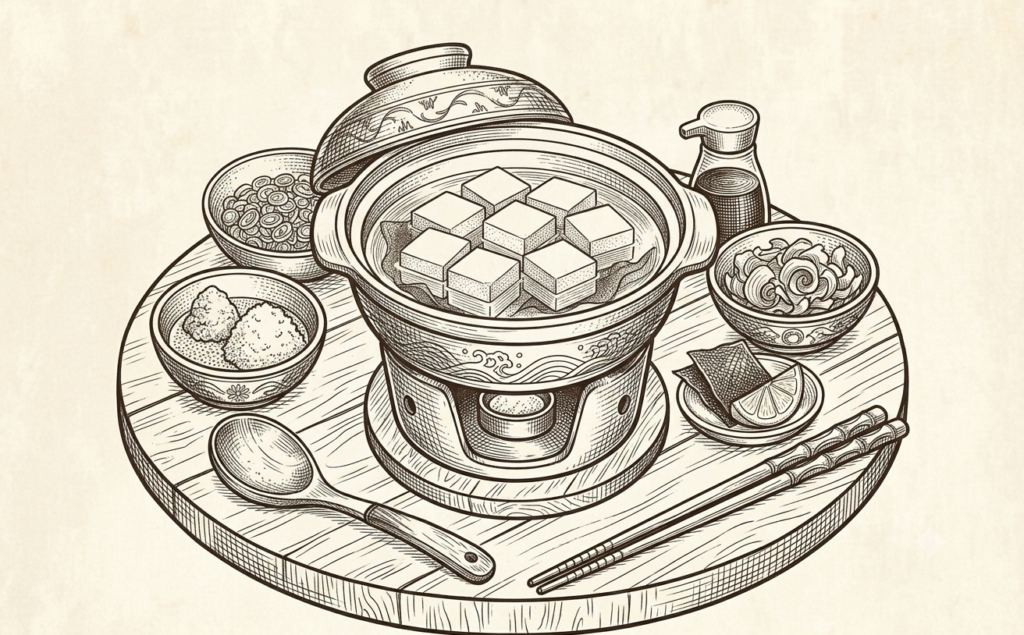
Know your Teishoku.
Teishoku, the classic Japanese set meal, originated in Zen temples, where one main, one side existed in balance, seasonally, and provided core nutrition for both lunch and dinner. Now it´s a family restaurant staple and a concept you can use lightly to eat fully and healthily, or get deep into, with a dizzying array of fish and side combos from everyone´s favorite mains: salted mackerel to fried chicken.
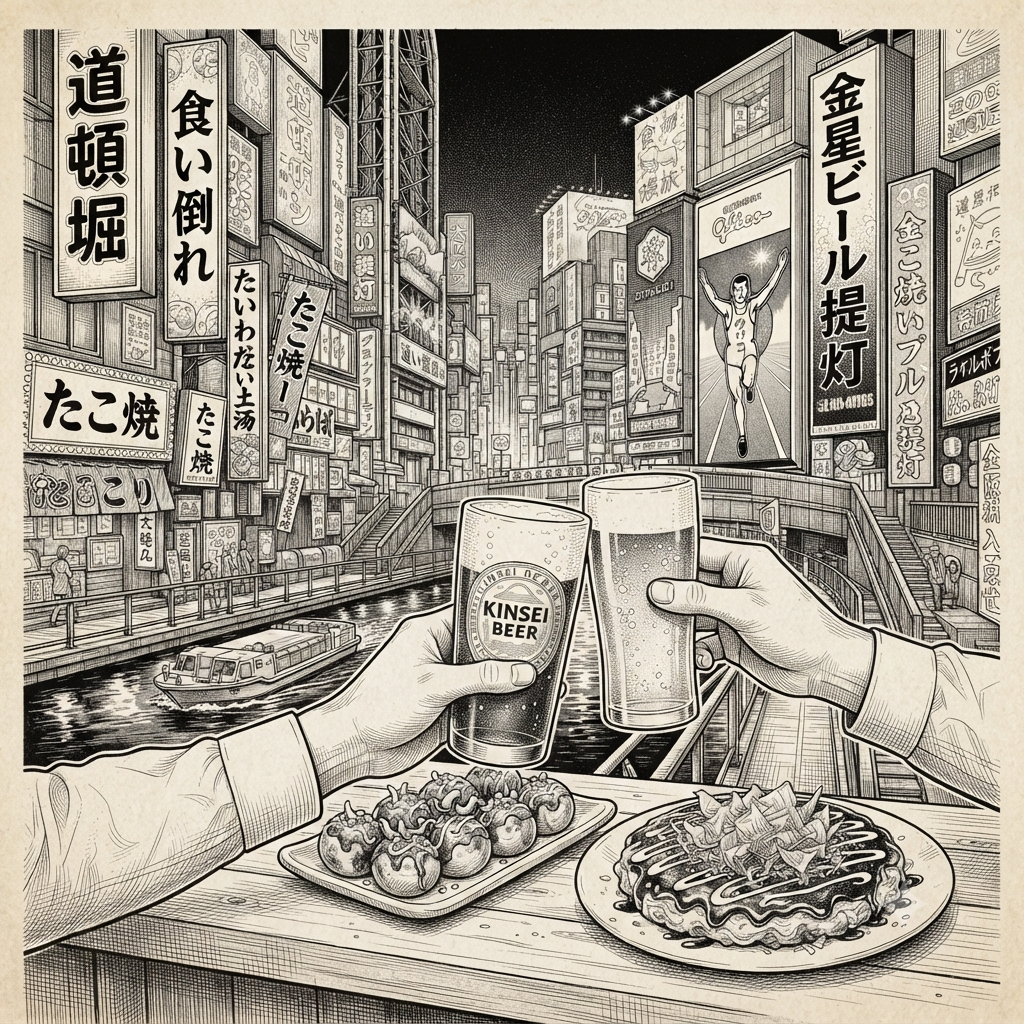
Kuidaore (食い倒れ) — “eat until you go broke.”
Osaka wins the food war. There.
It literally means “to eat oneself into ruin” (kui = eating, taore = collapse/fall down), capturing the idea that a person might spend all their money pursuing great food. It is not about gluttony so much as Osaka’s deep cultural pride in eating well, where enjoying delicious food is considered one of life’s greatest pleasures.

Japan: Different and Better
In many countries, “cheap food” implies compromise. In Japan, it usually doesn’t.
The philosophy isn’t “finding bargains.” It’s discovering where ordinary people actually eat every day.
Tiny ramen shops.
Family-run udon shops.
Gyudon chains.
Curry houses.
Yakitori counters.
Tempura specialists.
Our target across these meals will be:
¥600–1,200 ($4–8)
The quality is often astonishing.
Want to receive a launch email?
CheapGood is about finding the meals locals eat every day that deliver exceptional quality for less money than you´d expect to pay. We´re currently verifying our lists and curating our notes… leave your email and receive a notification when we launch.