Japanese Beer Culture 101
The modern Japanese beer landscape balances a deep respect for tradition with an aggressive pursuit of new, seasonal experiences. While the salaryman culture once defined the market, current consumption is defined by the izakaya experience, the science of the perfect pour, and a vibrant, tax-driven craft revolution.
The Izakaya: The Heart of Social Lubrication
The izakaya is the spiritual home of Japanese beer. Unlike Western pubs, which often function as standalone drinking destinations, the izakaya is fundamentally a dining establishment. Beer here is not merely a beverage; it is a culinary companion.
The social ritual of the izakaya begins with the “first glass.” It is nearly universal for groups to order an initial round of Nama-Biiru (draft beer) before considering food. This acts as a collective “reset” button after a workday. Because izakaya menus are heavy on salty, savory small plates—like karaage (fried chicken), edamame, and yakitori—the crisp, dry profile of Japanese lager is specifically engineered to cut through the oil and salt of the food. The carbonation refreshes the palate between bites, making it the most practical pairing for the rapid-fire succession of dishes that characterize a Japanese meal.
The Science and Aesthetic of the Foam
If you order a beer in a high-end Tokyo bar, you will notice that the bartender treats the pour with the gravity of a tea ceremony. In Japan, the “head”—or awa—is not a mistake to be minimized; it is an essential component of the flavor profile.
The ideal pour is often cited as a 70:30 ratio of liquid to foam. This thick, creamy layer serves two primary purposes:
- Oxidation Barrier: The foam acts as a physical lid, preventing the liquid from coming into contact with air, which keeps the beer from oxidizing and losing its crisp, clean character.
- Flavor Enhancement: By trapping the aromatics and carbonation beneath it, the foam ensures that the beer stays colder and bubblier for longer.
In recent years, this obsession with foam has led to “foam-first” pouring techniques and even automated machines in izakayas that dispense a perfectly calibrated layer of dense, micro-bubble froth to top off every glass.
The 1994 Turning Point: The Craft Boom
For decades, the Japanese market was dominated by the “Big Four” (Asahi, Kirin, Sapporo, and Suntory). Their dominance was cemented by a tax structure that made it prohibitively expensive for small brewers to operate. Everything changed in 1994, when the government dramatically lowered the minimum production requirement for beer licenses.
This deregulation triggered an explosion of microbreweries across the prefecture. Today, Japan’s craft scene is characterized by:
- Regional Terroir: Brewers are increasingly using local ingredients—such as Hokkaido hops, Okinawan citrus, or even local specialty rice—to give their beers a distinct sense of place.
- Seasonal Specificity: The concept of shun (seasonality) is vital in Japan. You will see beer releases strictly tied to the calendar: cherry blossom-themed lagers in the spring, crisp and dry ales for the humid summer months, and malt-heavy, darker beers for autumn.
- Experimental Profiles: Modern Japanese drinkers are increasingly sophisticated, moving away from “beer is just lager” to exploring IPAs, sours, and barrel-aged styles that would have been unimaginable twenty years ago.
The Modern Consumer: Quality Over Hierarchy
The contemporary Japanese drinker is significantly more discerning than their predecessors. The rigid corporate drinking culture is waning, and with it, the pressure to consume high volumes of generic lager.
Modern consumption is defined by:
- Health and Wellness: The rise of Toushitsu Zero (zero carbohydrate) beers and high-quality non-alcoholic options allows people to participate in social drinking without the physical toll.
- Knowledge-Based Consumption: There is a growing appreciation for labels. Consumers now scan for malt content and ingredient lists, treating beer with the same analytical curiosity usually reserved for wine or sake.
- The “Slow” Drink: As the pace of life becomes more digital, the act of sitting down in an izakaya with a single, perfectly poured draft beer is becoming an act of intentional relaxation.
Ultimately, beer in Japan has transcended its status as a corporate tool. It is now a diverse landscape where a 0.00% alcohol alternative, a mass-produced Nama, and a small-batch craft IPA can all exist on the same table, each serving a specific social and sensory need.
Japan Beer Economics 101
Everyman´s japan
How Much to Pay for A Beer
| Category | JPY | USD | EUR |
| Convenience Stores | ¥250/¥350 | $1.80/$2.50 | €1.70/€2.30 |
| Izakaya | ¥400/¥700 | $2.90/$5.00 | €2.70/€4.70 |
| Craft Beer | ¥800/¥1500+ | $5.70/$10.70+ | €5.30/€10.00+ |
| Nomihoudai | ¥1800/¥3000 | $12.90/$21.40 | €12.00/€20.00 |
Each of the top labels has a distinct identity and flagship product.
Japan’s beer culture is dominated by four major brands, often referred to as the “Big Four.”
Asahi
The market leader at nearly 40% of all beer sales.
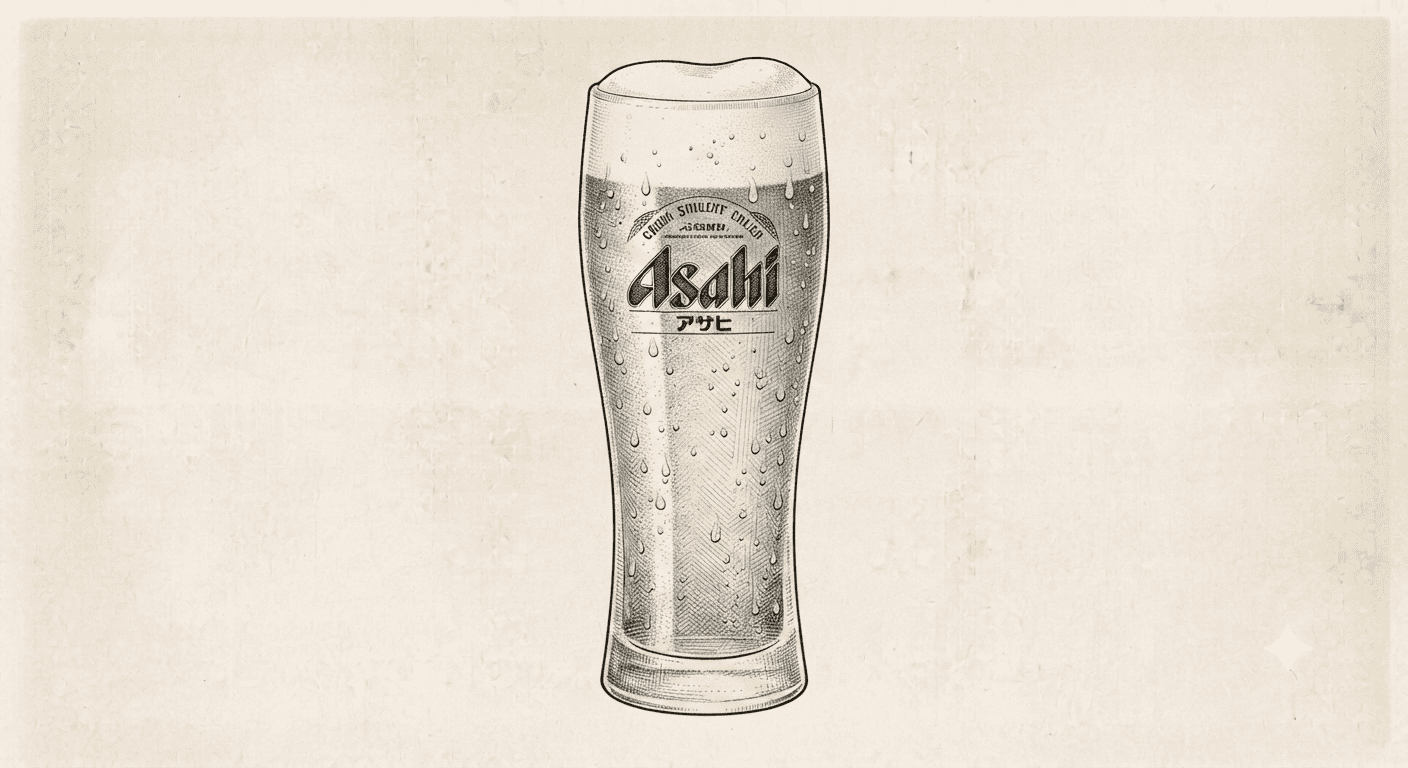
Asahi is most famous for Asahi Super Dry, a crisp, light, and “dry” lager known for its clean finish.
Kirin
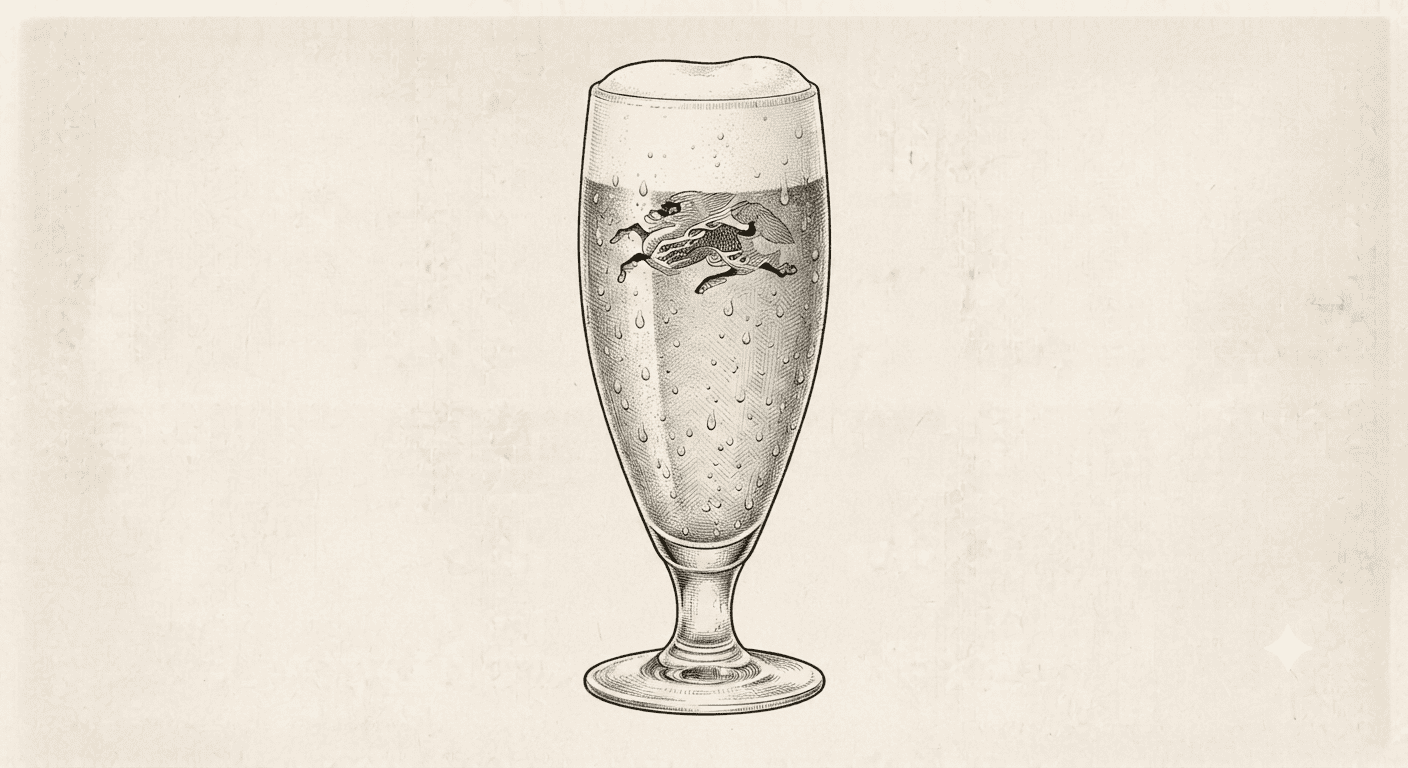
A heritage brand with a focus on traditional, rich, malt-forward brews.
Its flagship, Kirin Ichiban Shibori (“First Press”), is renowned for its smooth, velvety texture.
Suntory
Known for premium, high-quality pilsners.
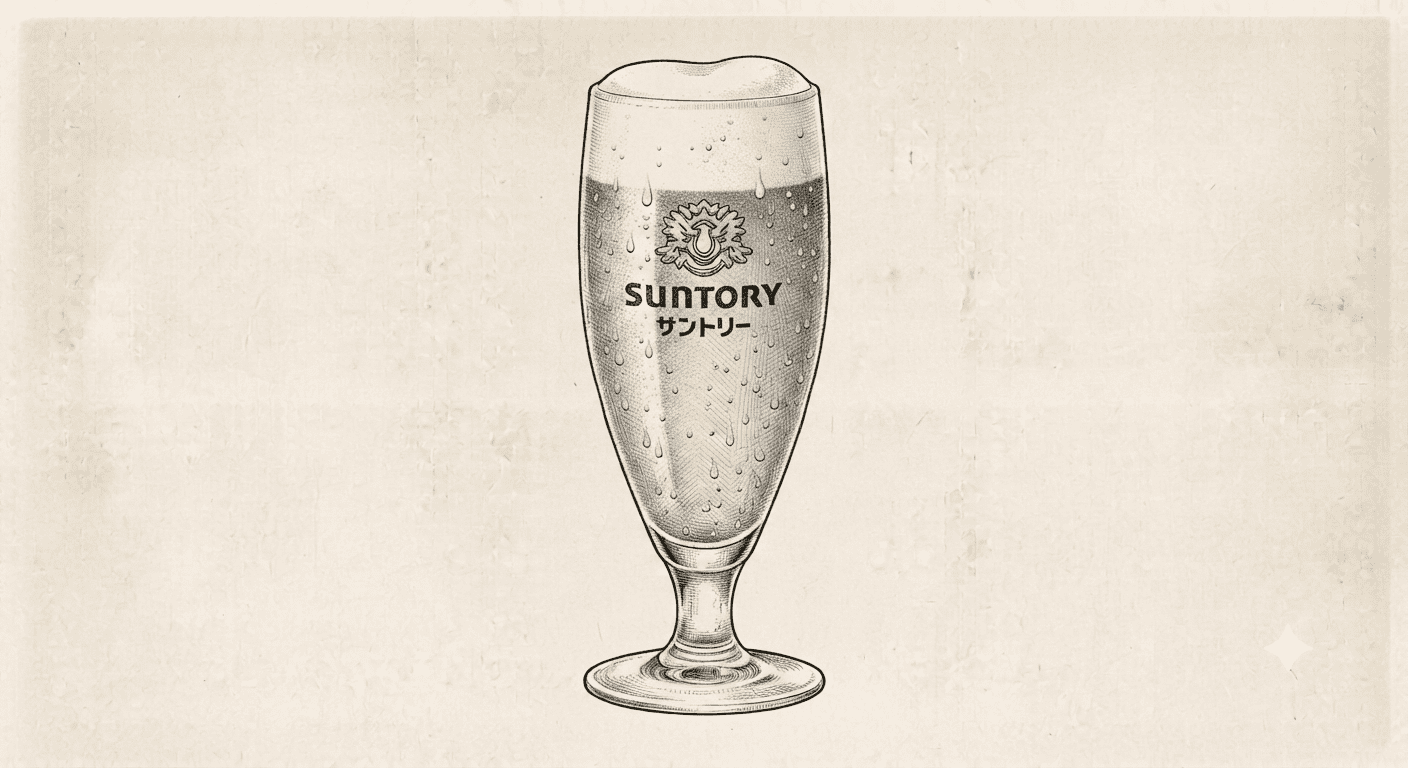
The Premium Malts is its standout, featuring a refined foam and aromatic profile.
Sapporo
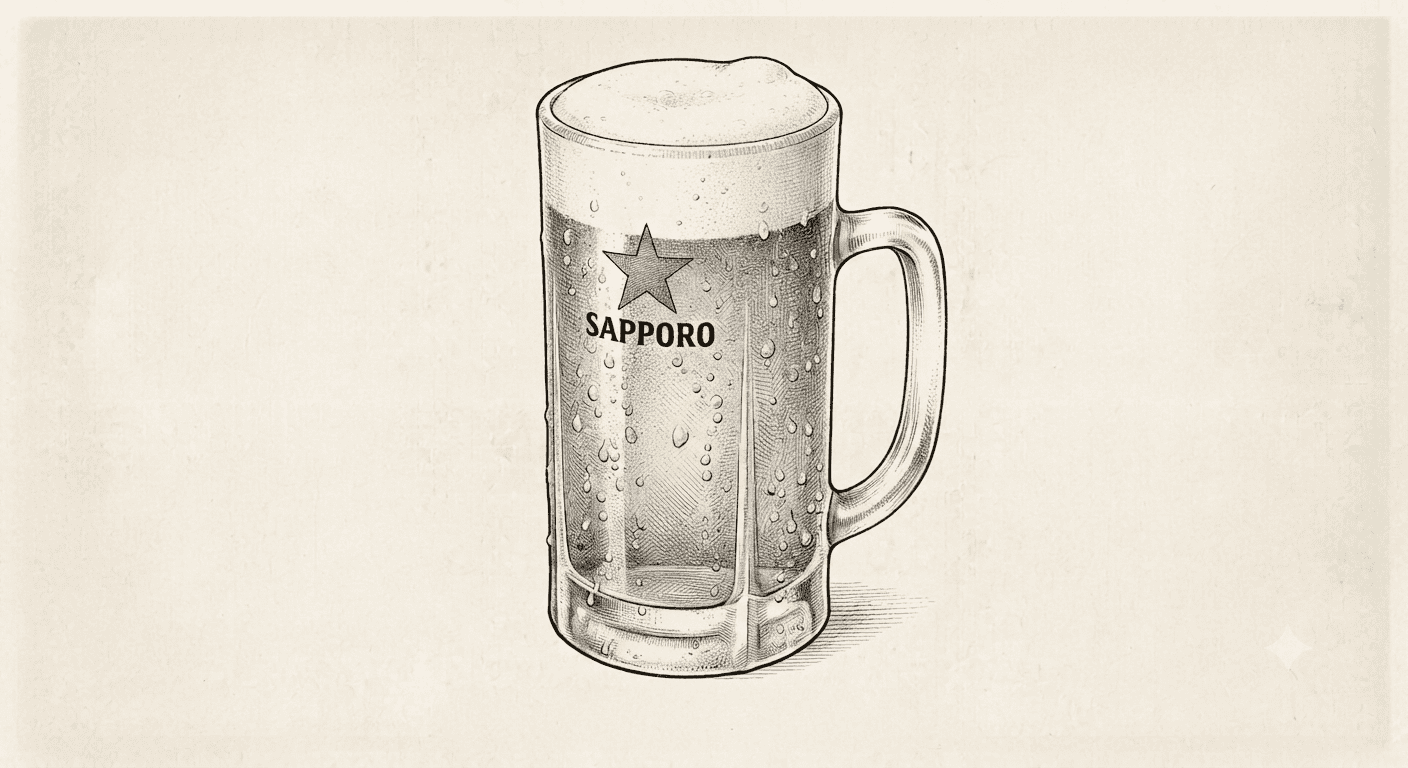
Japan’s oldest and most iconic (granted, subjective) beer brand.
Its core domestic product is Sapporo Black Label, a balanced and refreshing lager.
But you should get to know Yebisu, too, its premium line, brewed according to strict purity standards.
Learn to Read… Japanese Beer Labels

Light, Low-Malt
Often lighter, crisper, and more affordable due to lower tax rates. Ideal for a refreshing, everyday drink.
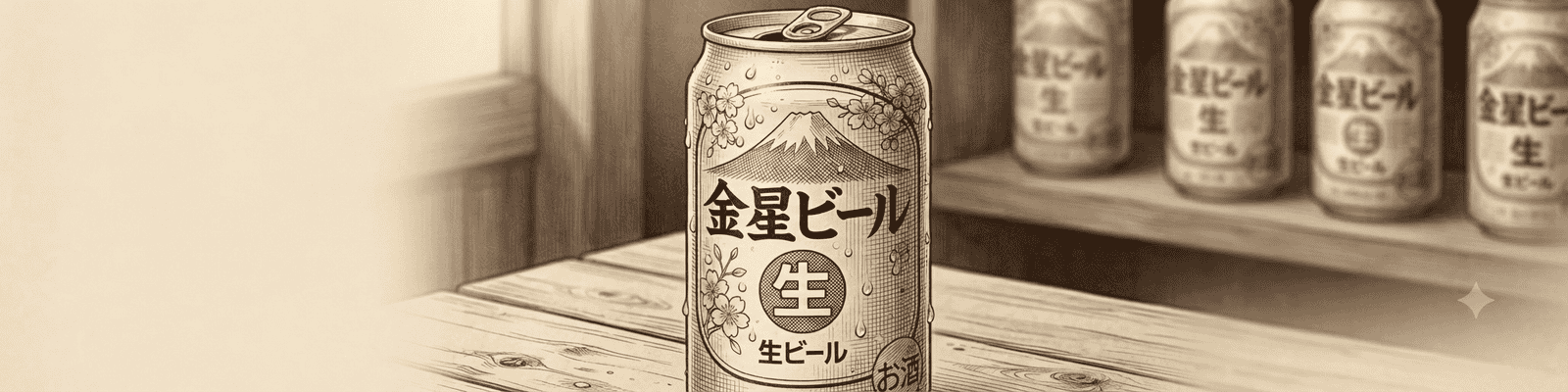
Nama means “draft”
Indicates unpasteurized beer for a fresher, fuller flavor. The standard choice for premium quality.
Understanding Alcohol Content (ABV) in Japan
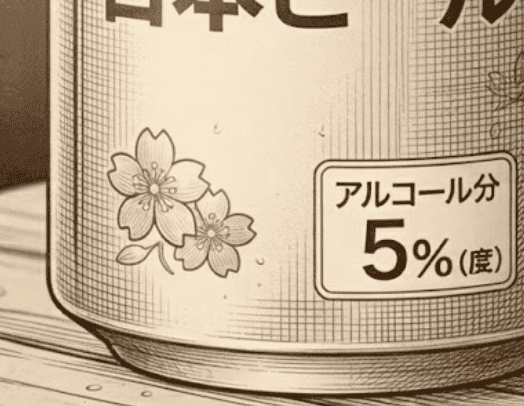
While Japanese beers are typically standardized around 5% ABV, not all cans are created equal. It is essential to check the アルコール分 (alcohol content) label—usually found in a small, distinct box on the back of the can—to confirm the strength of your drink.
Standard Lagers
Most premium Biiru (malt beer) maintains a consistent 5% ABV, providing a balanced, traditional experience.
“New Genre” (It´s a thing)
Seasonal or budget-focused New Genre (Dai-san no biiru) releases often experiment with higher alcohol content, sometimes reaching 6% to 7% ABV to compensate for their lighter flavor profiles.
Word to the Wise…
Always verify the percentage on the label, as these higher-ABV options can be deceptively easy to drink given their thinner, highly refreshing texture.
Essential Beer Kanji
アルコール分
Arukooru-bun: Indicates the Alcohol by Volume (ABV). As noted above, most standard Japanese lagers hover around 5%, but many are creeping into the sixes, so do your reading.
糖質ゼロ
Toushitsu Zero: “Zero sugar” or “zero carbohydrates.” This is very common in the happoshu and new genre categories, catering to health-conscious consumers.
原材料
Genryou: The ingredients list. Look for 麦芽 (Bakuga)—this is “malt.” If it is listed early in the ingredients, it is a true beer. If you see 大豆 (Daizu) (soy) or えんどう豆 (Endoumame) (peas), you are looking at a new genre product.
ビール
Biiru: Pasteurized! A more stable, traditional beer. May have a slightly richer, less “spritzy” character than its Nama counterpart.
瓶 / 大瓶
Large Bottle. Look for this on menus. It´ll be the traditional O-Bin (large bottle, usually ~633ml) staple size you´ll order to share in an izakaya.
ノンアルコール
Non-alcoholic. In Japan, products labeled as “non-alcoholic” typically contain less than 1.0% alcohol by volume, and the vast majority of mainstream brands are engineered to contain 0.00% alcohol.
Ready for Japanese Beer Culture 201?

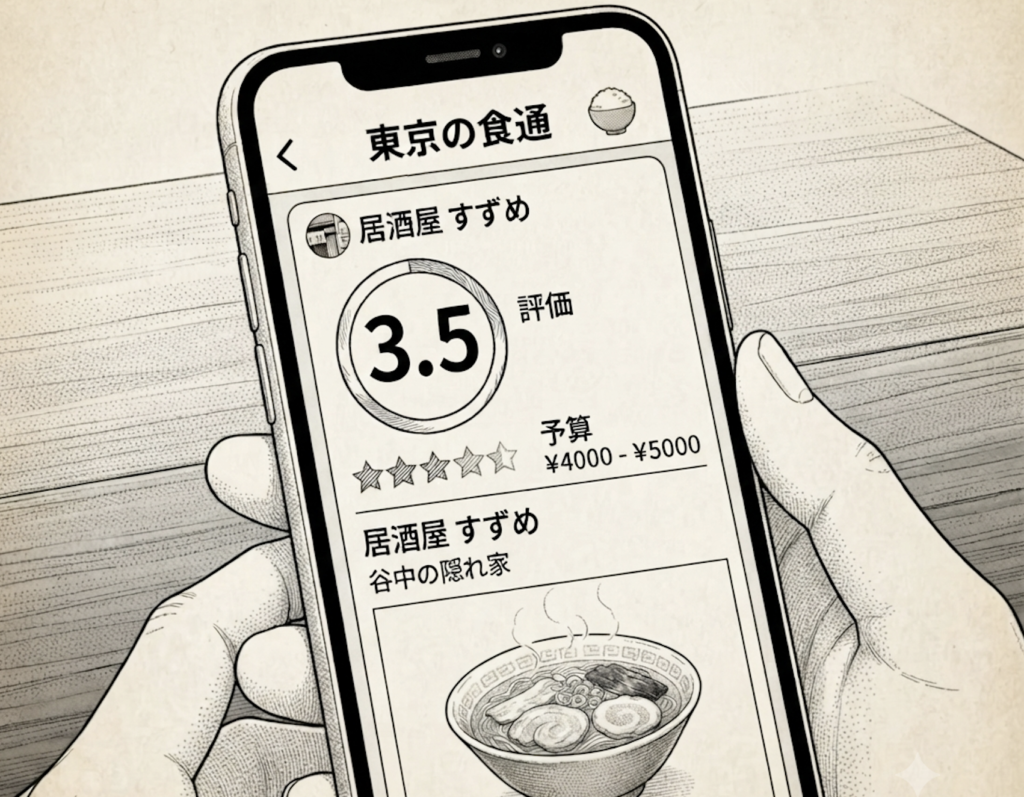
How To Tabélog
Tabelog is king. If you want crowd-sourced, legit reviews of restaurants, get it.

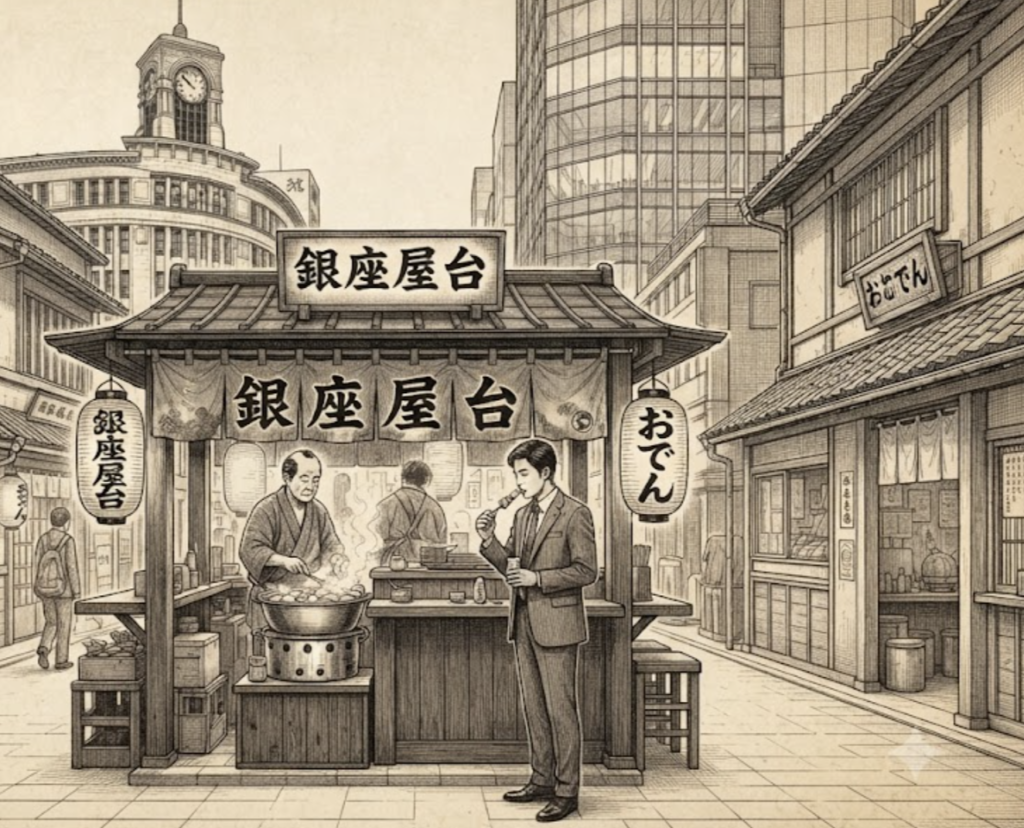
Yanaka, Real Tokyo
Kobe Beef on a Budget is doable across Japan, especially at lunchtime. We´ll show you how to find the uber-cheap deals too.

Buying a Cheap House in Japan
Buying property in Japan is an undeniable opportunity, and the country is decisively open to foreign investment. Because there are no restrictions on nationality, anyone can purchase real estate, including akiya (vacant homes), with the same legal rights as a Japanese citizen.