Cheap, Good Kyoto: Timing is Everything
Kyoto is a city of layers. The surface is a tourist spectacle, but the foundation is a quiet, conservative residential culture. To live here is to navigate the “hidden” city that operates behind the bamboo fences and inside the narrow machiya townhouses.
The Kyoto Resident Shortlist: The Nitty-Gritty
1. The “Udon-ya” Lunch In Kyoto, you do not go to a restaurant for lunch; you go to an Udon-ya. Specifically, shops like Omen or smaller, unnamed stalls that focus exclusively on kitsune udon (sweet fried tofu skin) or kake udon. The local marker: the soup is clear, light, and dashi-forward—never heavy. If the shop is crowded with construction workers or office staff at 12:30, that is your target.
2. Nishiki Market “After-Hours” Dining Nishiki Market is a tourist trap by day. By 17:00, it is a supply chain for locals. Look for the small, permanent counters inside the market that serve dashi-maki tamago (rolled omelet) and seasonal skewers. These are the vendors who supply the local restaurants. Eating here is the fastest way to understand the quality of produce Kyoto residents demand.
3. The “Takigyo” Style Morning Kyoto’s morning rhythm is defined by the Kissaten found near the Imadegawa or Demachiyanagi stations. You are looking for shops with 50+ years of history—look for the worn leather booths and the smell of roasted beans. The specific order is Morning Set A (toast, egg, coffee). It is the cheapest, most efficient way to start the day, and it is the “default” for anyone living in the north of the city.
4. The “Obanzai” Bar (The “No-Menu” Test) Avoid places with picture menus. Look for shops with a glass case in the front where prepared dishes are visible. This is Obanzai. You aren’t ordering from a list; you point to what is already made. Focus on the ones featuring Kamo-nasu (Kyoto eggplant) or Mibu-na (local greens). If the staff has to explain the menu to you, you are in the wrong place.
5. Residential “Sento” Ramen Kyoto has a strong culture of tiny ramen shops located right next to public bathhouses (sento). These are strictly for locals who just finished a bath. The ramen is simple, salt or soy-based, and meant to be eaten while still sweating from the heat of the bath. It is the ultimate “neighborhood-only” dining experience.
6. The “Kamo-River” Barrier The Kamo River creates a massive price disparity. Anything east of the river is “tourist pricing.” Anything west of the river, especially moving toward the residential blocks of Nakagyo or Shimogyo, is “resident pricing.” We track the shops specifically in the blocks between Kawaramachi and Horikawa. This is the commercial heart of the city where the actual salaryman lunch is priced under ¥1,000.
Here´s Your Cheat Sheet
Three notes, three ways to avoid the tourists.
1. Obanzai Bars are the Resident Default
Avoid the curated menus and white tablecloths in Gion. Look for the small shops with glass display cases near the counter where prepared vegetables and fish are visible. You do not order from a list; you point to what is already made, focusing on seasonal ingredients like eggplant or local greens. If the staff does not have to explain the menu to you, you are eating where the locals eat.
2. The Kamo River Pricing Barrier
The Kamo River serves as a hard line between tourism and reality. Anything east of the river is priced for visitors. Cross to the west, heading into the residential blocks of Nakagyo or Shimogyo, where the price point for a standard salaryman lunch drops significantly. We track the shops specifically in these streets, where the daily set meal is priced to move and serves the people who actually work in the city.
3. The Kissaten Morning Loop
Kyoto starts its day in the dark, wood-paneled booths of old-school coffee shops. This is not a tourist brunch; it is the “third place” where morning business is settled over dark, heavy coffee, thick-cut toast, and a boiled egg. If you want to understand the city’s quiet, conservative rhythm, find a place with 50 years of history and order the standard Morning Set. It is the most authentic, efficient way to begin a day in the city.
Are you Industry- or Indie-Sake?
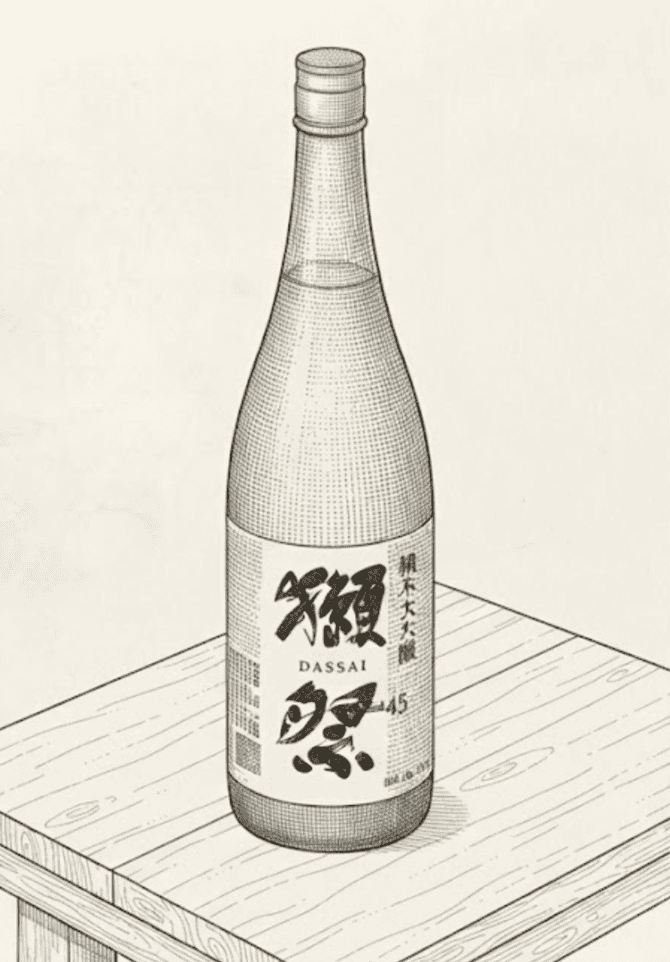
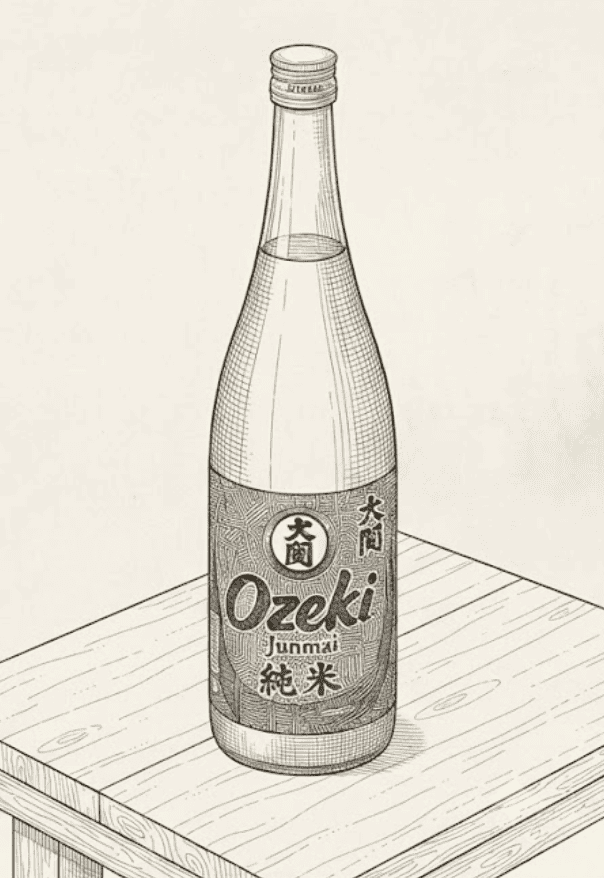
Gold standard best seller Dassai is a reliable baseline for the Ginjo style. sakes. But Daily Driver Ozeki is more umami than floral and a serious value. Or step up in price and look for Junmai Ginjo or Junmai Daiginjo from smaller, regional producers.
More Flush Deal-Hunter?
The “Special Designation” trick: If you find a bottle labeled Muroka Nama Genshu (unfiltered, unpasteurized, undiluted) within a $45-$50 price bracket, grab it. Because it hasn’t gone through extensive processing or transport overhead, you are getting the raw, high-intensity flavor profile that you would normally only see in much more expensive, limited-release bottles.
$45-$50
Want to receive a launch email?
CheapGood is about finding the meals locals eat every day that deliver exceptional quality for less money than you´d expect to pay. We´re currently verifying our lists and curating our notes… leave your email and receive a notification when we launch.
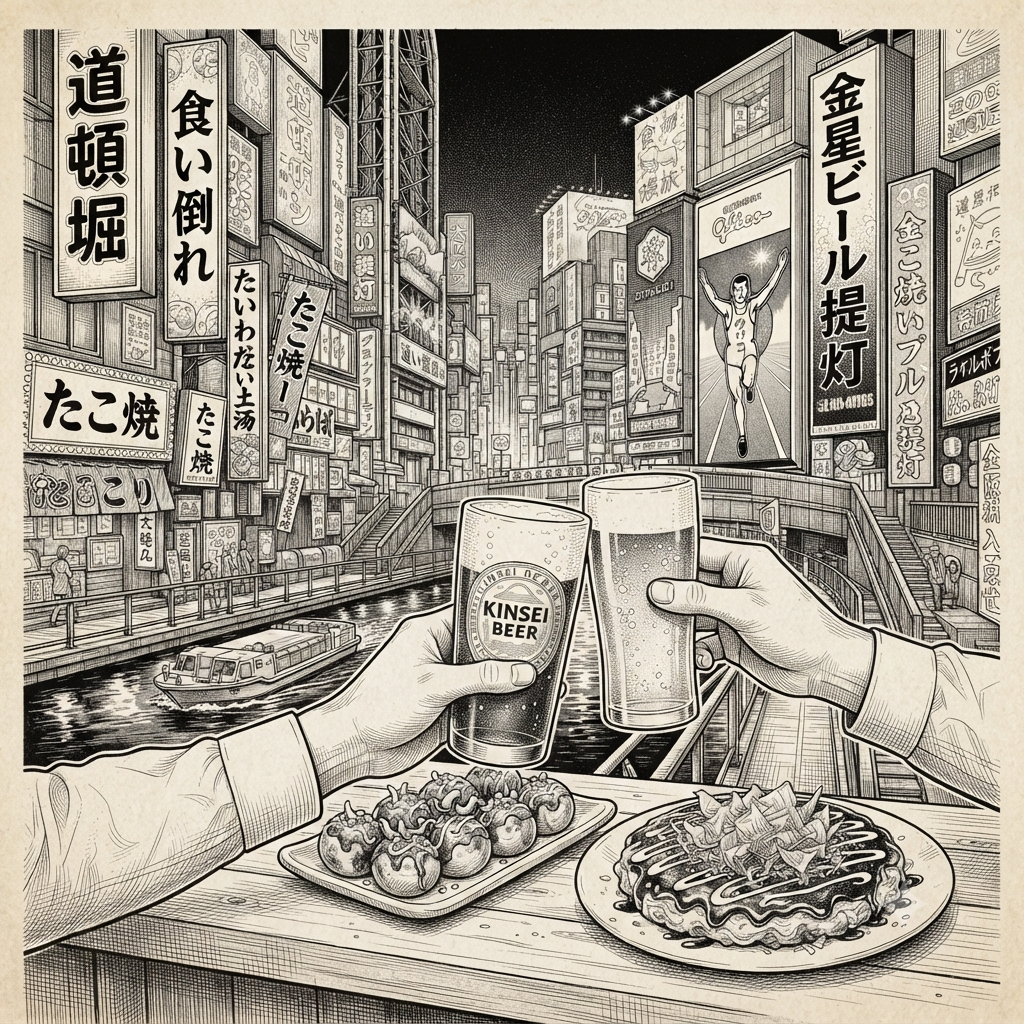
Kuidaore (食い倒れ) — “eat until you go broke.”
Osaka wins the food war. There.
It literally means “to eat oneself into ruin” (kui = eating, taore = collapse/fall down), capturing the idea that a person might spend all their money pursuing great food. It is not about gluttony so much as Osaka’s deep cultural pride in eating well, where enjoying delicious food is considered one of life’s greatest pleasures.

Japan: Different and Better
In many countries, “cheap food” implies compromise. In Japan, it usually doesn’t.
The philosophy isn’t “finding bargains.” It’s discovering where ordinary people actually eat every day.
Tiny ramen shops.
Family-run udon shops.
Gyudon chains.
Curry houses.
Yakitori counters.
Tempura specialists.
Our target across these meals will be:
¥600–1,200 ($4–8)
The quality is often astonishing.