About CHEAPGOOD
About Us
Who is CheapGood and Why Are You Doing This?
First, why not? The middle and lower classes are being squeezed right now. Our parents traveled; our bosses travel. We are not quite as flush. CheapGood is about finding ways to enjoy the best food and drink without breaking the budget and feeling guilty the next day. We´re a small group of Japanese natives and expats with an interest in good food and drink, sharing what we find here, with no expectation that anyone will read it. That is all. Let´s see if it helps small business owners and small business visitors.
Contact Us
If we don´t like it, we say nothing (Sorry, it´s what mama taught us). If it´s here, it was affordable and good…
How To Tabélog
Tabelog is king. If you want crowd-sourced, legit reviews of restaurants, get it.
Yanaka, Real Tokyo
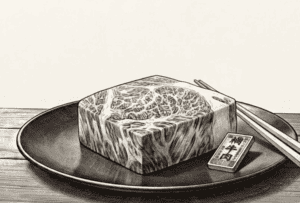
Kobe Beef on a Budget is doable across Japan, especially at lunchtime. We´ll show you how to find the uber-cheap deals too.
Buying a Cheap House in Japan
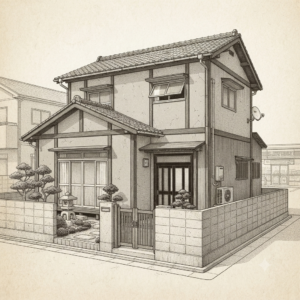
Buying property in Japan is an undeniable opportunity, and the country is decisively open to foreign investment. Because there are no restrictions on nationality, anyone can purchase real estate, including akiya (vacant homes), with the same legal rights as a Japanese citizen.
Konbini Convenience Stores
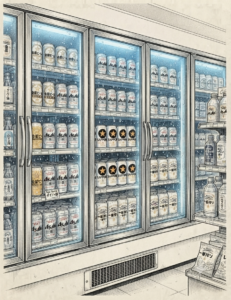
The viral explosion of konbini tourism on TikTok is driven by a fundamental contrast between the low-cost, convenient setting and the surprisingly gourmet quality of the products. And the super cheap egg sandwiches.
Kobe Beef on a Budget
Kobe beef on a budget is not exclusive to Kobe city.
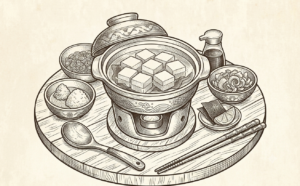
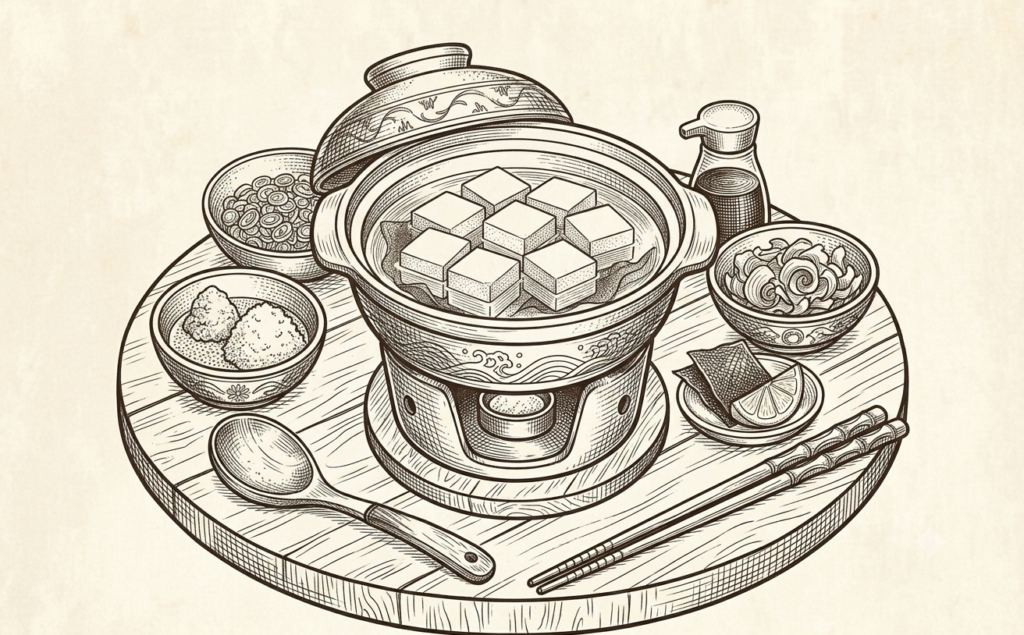
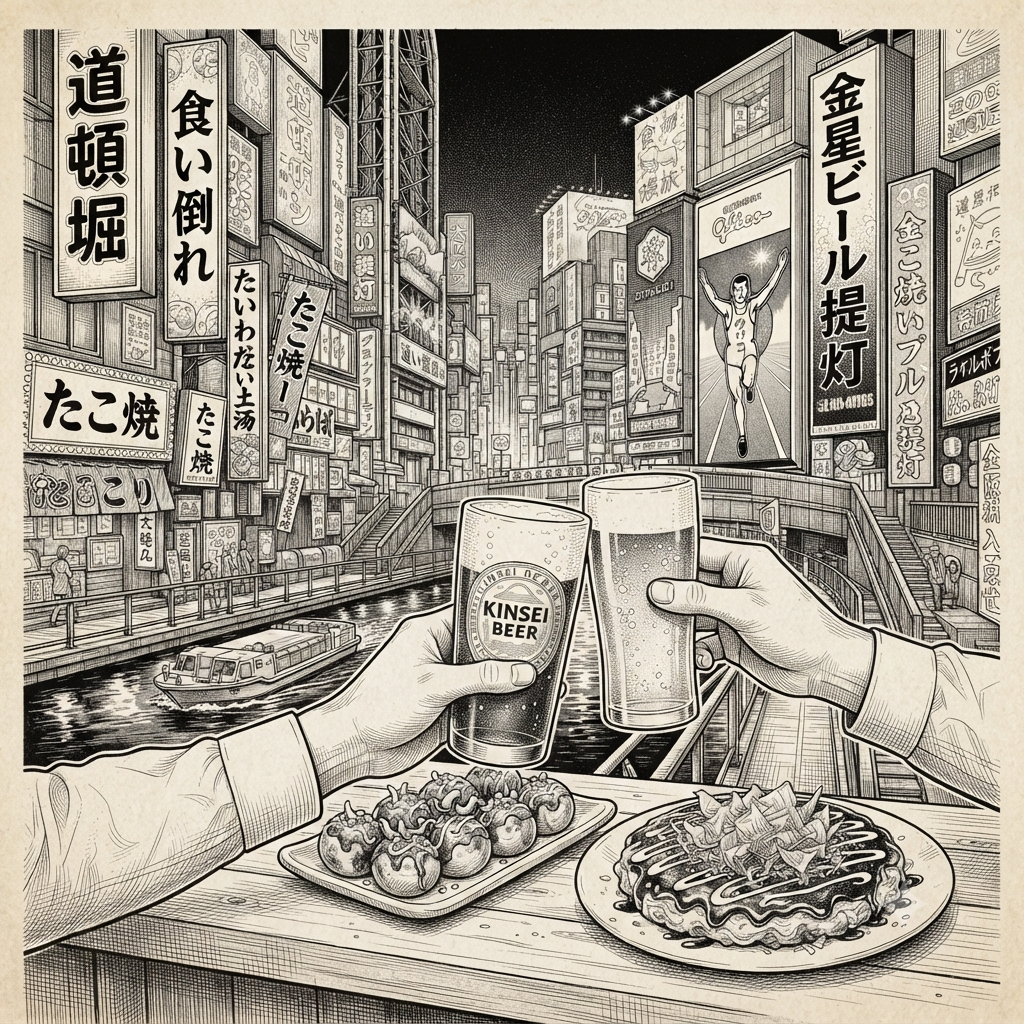
Kuidaore (食い倒れ) — “eat until you go broke.”
Osaka wins the food war. There.
It literally means “to eat oneself into ruin” (kui = eating, taore = collapse/fall down), capturing the idea that a person might spend all their money pursuing great food. It is not about gluttony so much as Osaka’s deep cultural pride in eating well, where enjoying delicious food is considered one of life’s greatest pleasures.
Japan: Different and Better
In many countries, “cheap food” implies compromise. In Japan, it usually doesn’t.
The philosophy isn’t “finding bargains.” It’s discovering where ordinary people actually eat every day.
Tiny ramen shops.
Family-run udon shops.
Gyudon chains.
Curry houses.
Yakitori counters.
Tempura specialists.
Our target across these meals will be:
¥600–1,200 ($4–8)
The quality is often astonishing.