Japan´s 6 Best Food Cities Ranked
Choosing where to eat in a country as culinarily diverse as Japan can be an overwhelming challenge. Here´s our biased ranking of the unique flavors, regional specialties and must-do dining spots in the 6 top food cities you need to visit.
If CheapGood has a philosophy, it’s that Japan is the easiest country in the world to eat extraordinarily well in, on an ordinary budget. The challenge isn’t finding good food as much as deciding where to focus.
+
1. Osaka: Japan’s Cheap Food Capital
Osaka was built as a merchant city rather than an imperial or political capital. Merchants cared about feeding people well, cheaply, and in large portions. That culture still survives.
The city is famous for takoyaki, okonomiyaki, kushikatsu, yakiniku, udon, and excellent ramen. Neighborhoods like Dotonbori, Shinsekai, and Tenma are full of tiny family-run restaurants where ¥700–1,200 buys a memorable meal.
Best for: First-time visitors, budget travelers, food crawls.
2. Fukuoka: Japan’s Best Value Food City
Fukuoka doesn’t get nearly enough attention internationally.
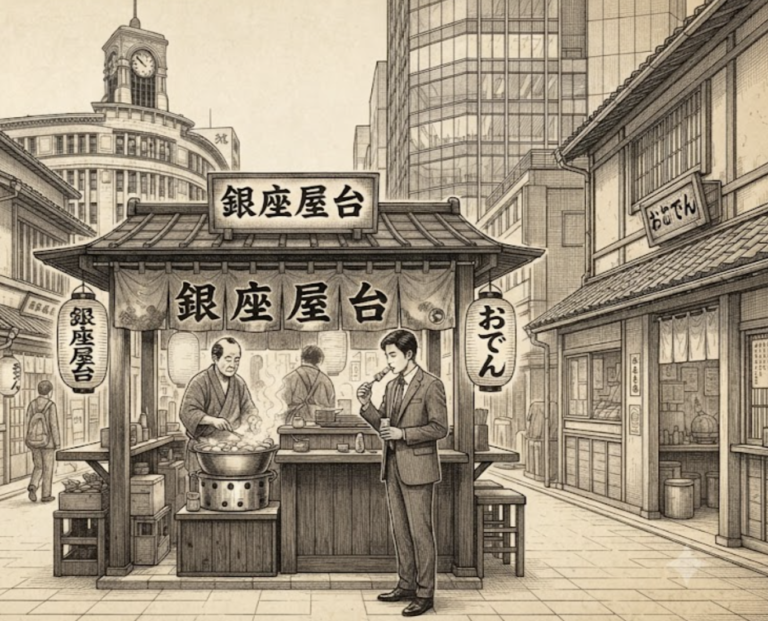
Its signature tonkotsu ramen is everywhere, often for under ¥900, but that’s only the beginning. The city’s famous yatai (open-air food stalls) create one of Japan’s most social dining experiences.
Fresh seafood arrives daily from Kyushu waters, and because tourism is lighter than Tokyo or Kyoto, prices stay reasonable.
If Osaka is loud and energetic, Fukuoka is relaxed and authentic.
Best for: Repeat Japan visitors and ramen lovers.
3. Tokyo: Endless Perfection and Variety
Tokyo is probably the greatest food city on Earth.
The advantage isn’t that every meal is cheap—it’s that every kind of meal exists. Tiny ramen counters, Michelin-starred sushi, standing soba bars, curry shops, yakitori alleys, depachika food halls, conveyor-belt sushi, convenience stores—you could spend months eating somewhere different every day.
The downside is choice. It’s easier to wander into an average restaurant and spend more than necessary.
If you know where to look, Tokyo can be remarkably inexpensive. If you don’t, it can quietly become your most expensive city.
Best for: Exploring every possible Japanese cuisine.
4. Sapporo: Comfort Food Paradise
Hokkaido’s ingredients are exceptional: dairy, seafood, potatoes, corn, and pork all rank among Japan’s best.
That quality shines in rich miso ramen, fresh seafood bowls, jingisukan (grilled lamb), soup curry, and soft-serve ice cream.
Prices are still reasonable, but meals tend to be heavier and portions larger than elsewhere in Japan.
It’s outstanding—but less varied than Tokyo or Osaka.
5. Kyoto: Tradition Over Bargains
Kyoto isn’t really trying to compete on cheap eats because it leans on tradition and quality.
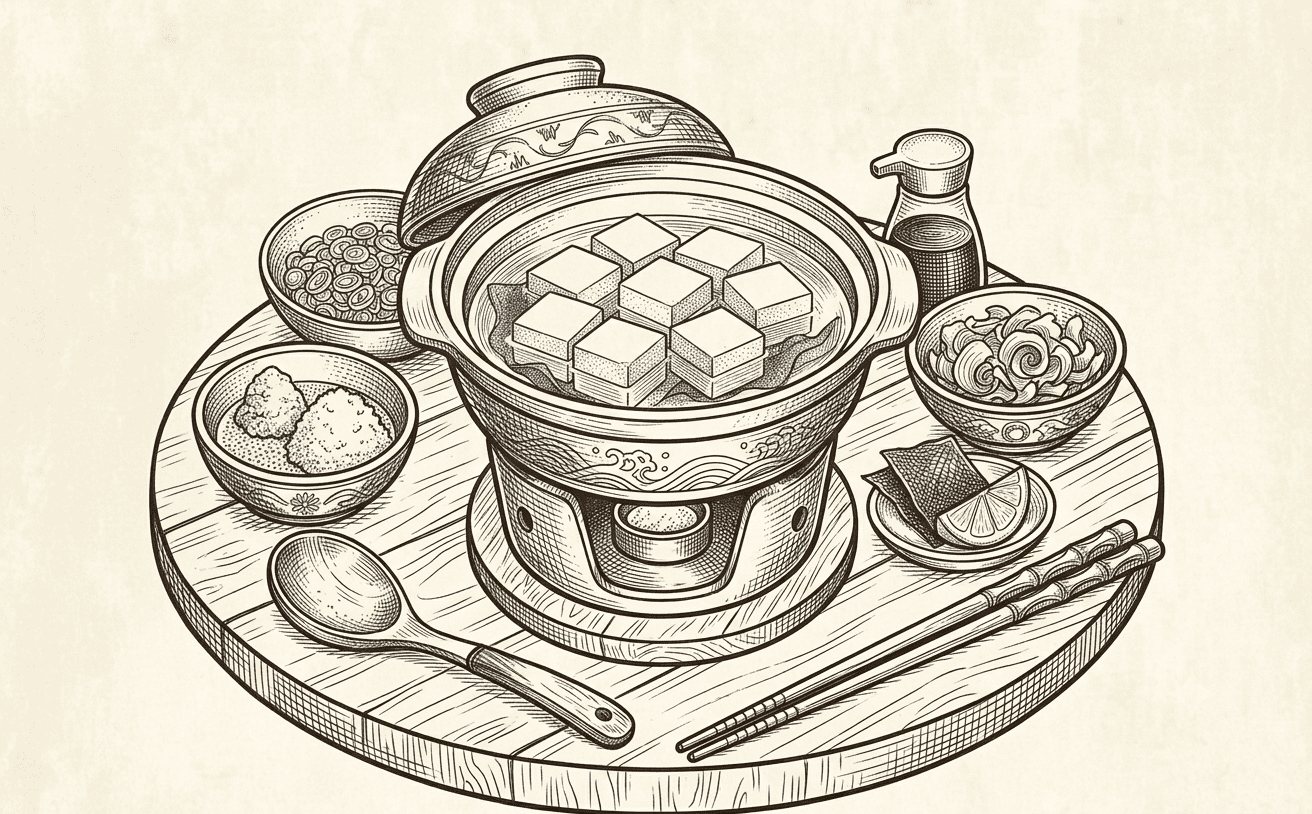
Its strengths are yudofu, matcha sweets, tofu cuisine, kaiseki, wagashi, and centuries-old tea houses.
The experience is slower and more refined. You’re often paying for craftsmanship, history, and atmosphere as much as the food itself.
There are certainly inexpensive meals to be found, but Kyoto shines when you appreciate tradition rather than bargain hunting.
6. Nara: Osaka Day Trip WonderFood
Nara’s food is delicious, but it’s secondary to the city’s temples, parks, and famous deer.
You’ll find wonderful kakinoha sushi, freshly pounded mochi, persimmon treats, and regional specialties, yet there simply aren’t enough iconic dishes to make it a major food destination on its own.
Most visitors come for the bowing deer (sorry) and discover the food as a pleasant surprise.
The Top-Ten Final Four
Hiroshima: Beyond its famous layered okonomiyaki, the region is home to some of Japan’s best oysters. It offers a “twist” on traditional dishes that sets it apart from the Kansai style.
Kanazawa: Often called a foodie “dream” for seafood lovers, its Omicho Market is vital for fresh catches. It is also culturally significant for incorporating gold leaf into everything from fine dining to desserts, offering a refined, luxury-leaning experience.
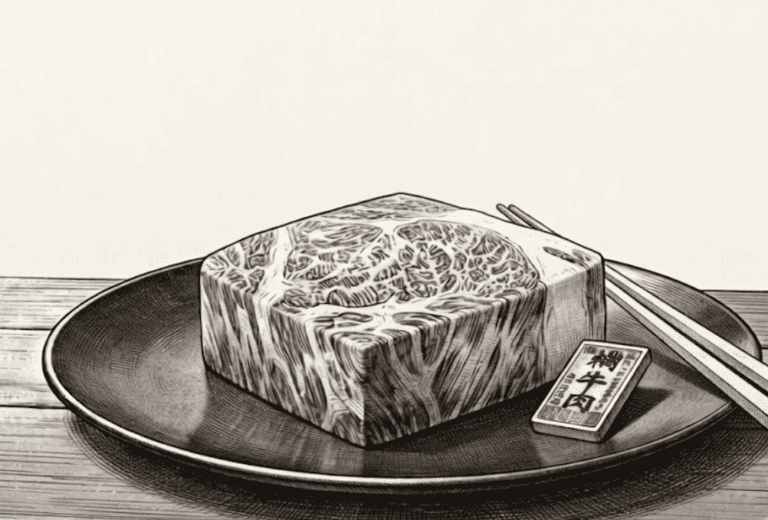
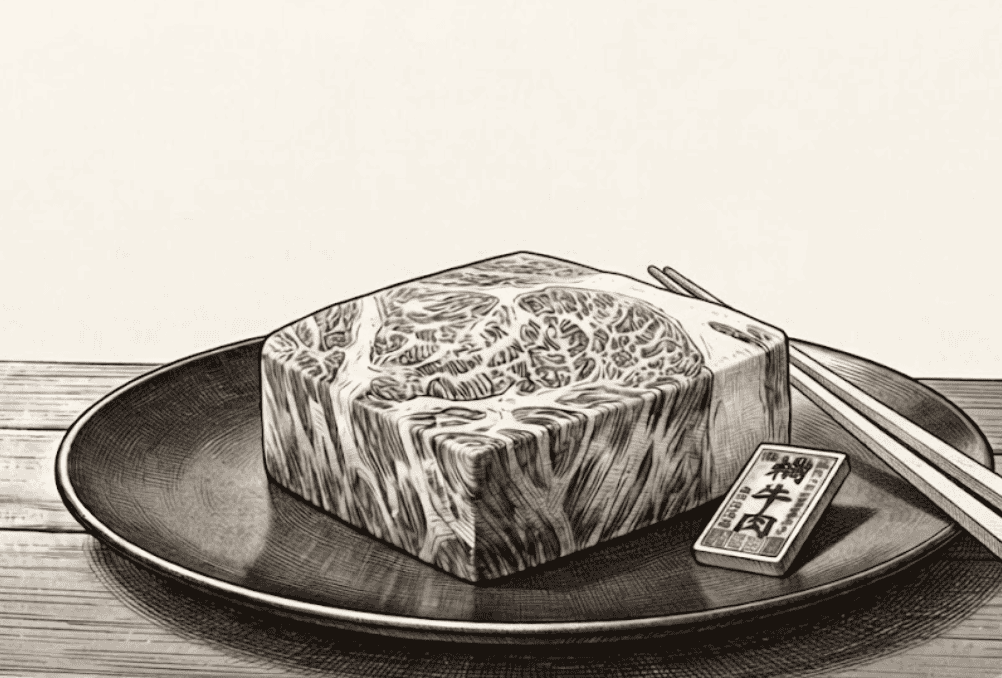
Takayama Tucked into the Japanese Alps, Takayama is the primary destination for Hida beef, a heavily marbled wagyu that defines the local palate. Beyond high-end steak, the town is best known for its rustic, traditional street food; you’ll find vendors specializing in gohei mochi (skewered, miso-glazed rice cakes) and mitarashi dango, prepared in the traditional soy-sauce style rather than the sweet version found elsewhere.
Kobe Kobe is synonymous with premium meat. It is an essential stop for anyone prioritizing high-end culinary experiences, serving as the gold standard for luxury beef dining. True, you can get it in any major city, but why not try the source?
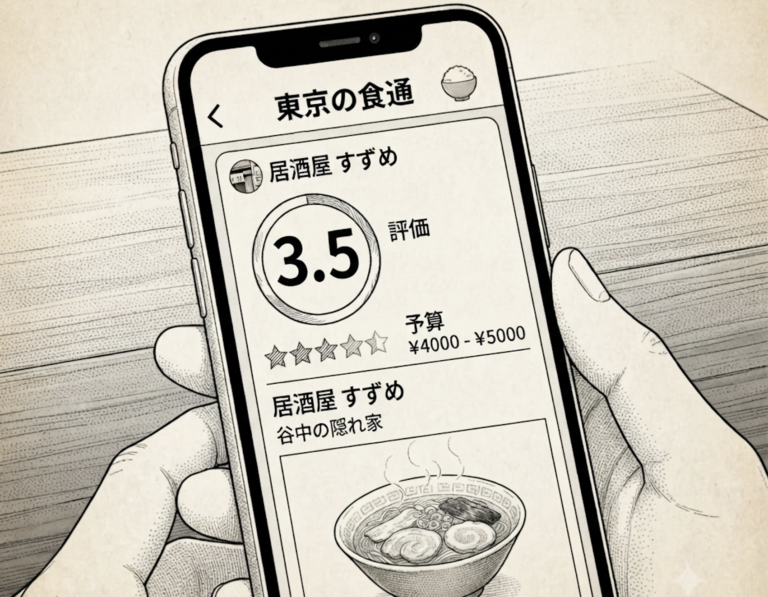
No Time for Tabelog? You can find one of these cheap eats options are almost on every-other street in Tokyo.
Reliable Cheap Local Chains:
Tokyo’s local chains are revered by residents for their absolute consistency and value. Spots like Matsuya (English menu link), Yoshinoya (English link), and Sukiya (also English) specialize in gyudon (tender beef over rice), often costing less than 600 yen. For noodles, Marugame Seimen serves piping hot, freshly made udon where you can customize your bowl with various tempura sides for a very modest price. Each of these chains offer multilingual touchscreens and remain open 24 hours a day, making them an stress-free, reliable choice.
The “Konbini” Gourmet:
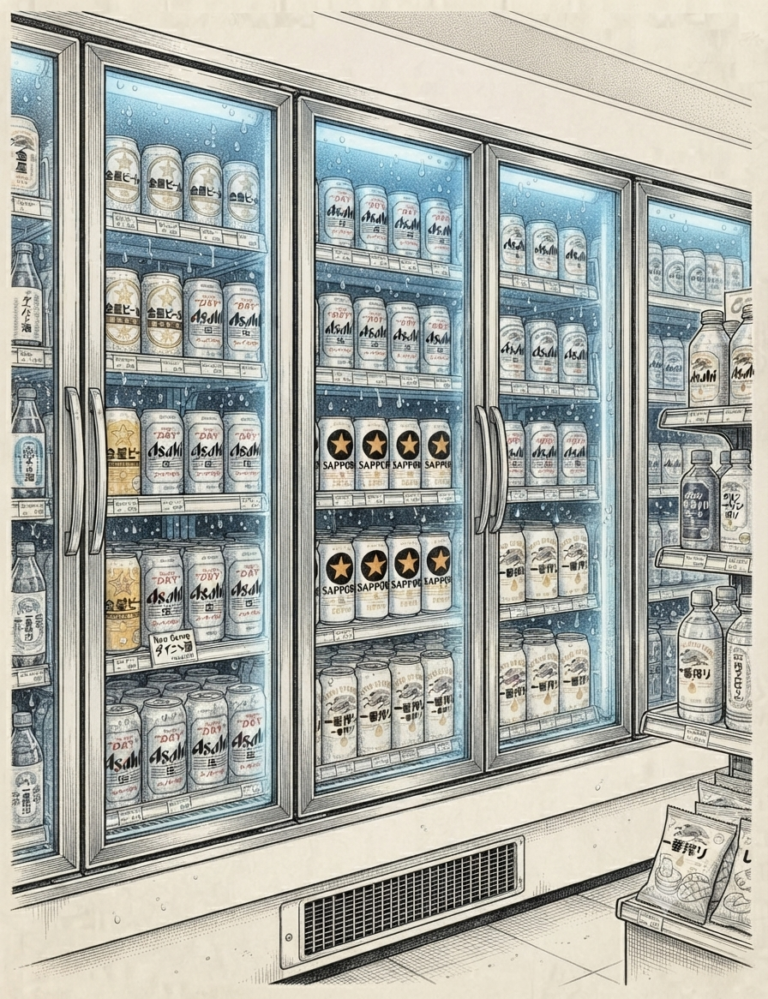
Convenience stores like 7-Eleven, FamilyMart, and Lawson are legendary in Tokyo and are not just for snacks; they are a gateway to high-quality, affordable meals. You can pick up a bento box or a warm onigiri for a quick lunch in a local park. For an even savvier hack, visit the basement “depachika” food halls of major department stores or local supermarkets after 7:00 PM, when freshly prepared meals and sushi packs are often discounted by 20% to 50%.