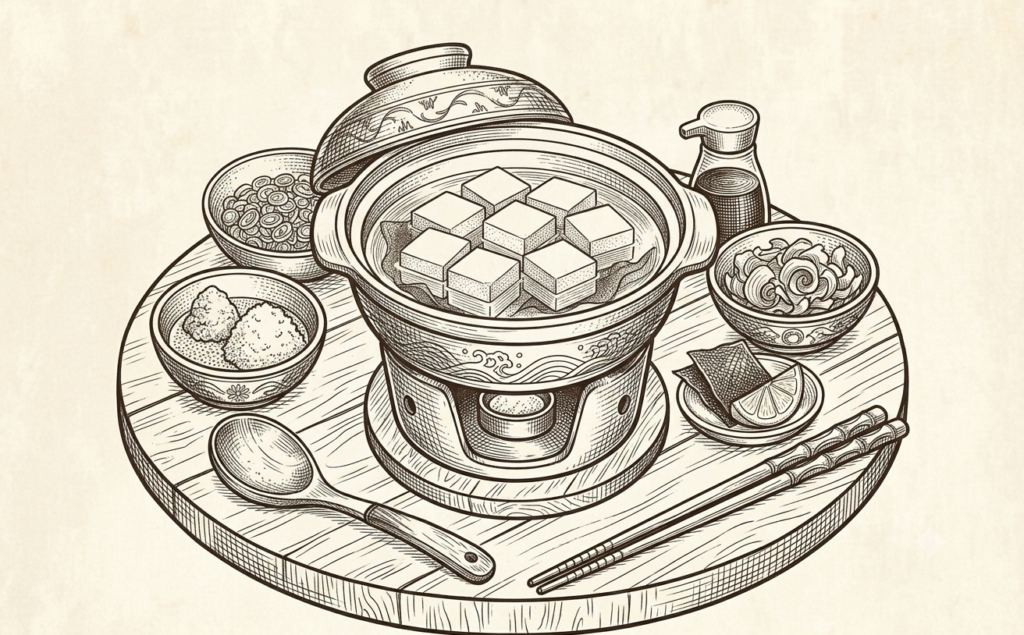
Cheap, Good Fukuoka: Timing is Everything
Fukuoka (or Hakata) is widely considered the birthplace of Japanese udon. Unlike the chewy, firm sanuki style found elsewhere, local Fukuoka udon is defined by its soft, almost melt-in-your-mouth texture.
Fukuoka is a city of layers. The surface is a tourist spectacle, but the foundation is a quiet, conservative residential culture. To live here is to navigate the hidden city that operates behind the bamboo fences and inside the narrow machiya townhouses.
The Fukuoka Resident Shortlist: The Nitty-Gritty
1. Decode the Tonkotsu Noodle Hardness
Fukuoka ramen isn’t just about the broth; it’s about the noodle texture. When ordering, locals specify their preference: kata (hard) is standard, harigane (extra hard) is for purists, and kona-otoshi (the extreme) is barely blanched.
2. Master the Sumotsu Drinking Ritual
Motsunabe is famous, but the true local drinking accompaniment is sumotsu—parboiled offal tossed in ponzu sauce. Its crunchy texture and citrus finish make it the superior choice when drinking with locals.
3. Skip the Nakasu Tourist Gauntlet
While Nakasu is famous, the most authentic yatai atmosphere is found in the quieter stalls of the Tenjin or Nagahama areas. Look for stalls filled with local workers in attire, not visitors with cameras, for a truly transactional, local experience.
4. The Kashiwameshi Udon Pairing
If you order udon, follow the local habit of adding kashiwameshi (seasoned chicken rice). It is the standard regional side dish that turns a simple noodle bowl into a complete, balanced Fukuoka meal.
5. Navigate the “Medical” Yakitori Menu
In Kurume—the heart of Fukuoka’s yakitori culture—don’t be surprised by medical terms on the menu like “darm” (intestine) or “herz” (heart). This naming convention is a quirky local custom born from the city’s history of medical students.
6. Follow the “Oyster Hut” Seasonality
From mid-October, skip the city center restaurants and head to the coast in Itoshima. Joining the locals at “oyster huts” to grill fresh seafood straight from the fisheries is the ultimate seasonal rite of passage.
Here´s Your Cheat Sheet
Three notes, three ways to avoid the tourists.
1. The Yatai “Local Rotation”
The famous Nakasu food stalls are largely tourist traps. Instead, head to the residential Tenjin or Nagahama areas late at night. Look for yatai where the patrons are primarily locals in work attire rather than visitors with cameras; these stalls serve a more authentic tonkotsu ramen and have a faster, more transactional pace.
2. The “Hakata-Style” Breakfast
While hotels push buffets, the Fukuoka resident eats teishoku (set meals) at independent diners near the Hakata Station side streets. Search for spots labeled “朝食” (Breakfast) that serve grilled fish and miso soup starting at 07:00. This is where you find the city’s working core before the day starts, far from the hotel district crowds.
3. The Supermarket Sourcing
Fukuoka has a unique food culture centered on high-quality, local produce from Kyushu. Skip the convenience stores and seek out local chains like Sunny or Marusho in residential wards. Their “ready-to-eat” sections feature regional specialties like mentaiko (spicy cod roe) and fresh local sashimi, offering a higher standard of regional cuisine than most casual restaurants.
udon´s origin
Fukuoka (often called Hakata) is quietly, and perhaps even more importantly, the birthplace of udon in Japan.
The story goes that in 1241, the monk Enni (Shoichi Kokushi) returned from China with knowledge of milling techniques for flour. He is credited with establishing the first udon, soba, and manju (steamed bun) production in Japan at Joten-ji temple in Hakata.
What Makes Hakata Udon So Special?
Unlike the chewy, firm Sanuki style udon from Kagawa, Hakata-style udon is known for being:
- Soft and Thick: The noodles are intentionally soft and doughy, not “al dente.” The theory is that this soft texture makes them easier to digest for busy merchants and laborers.
- Light, Clear Broth: The dashi (soup stock) is typically very clear, light in color, and mild, usually made with katsuobushi (bonito flakes), saba-bushi (mackerel flakes), and kelp. It has a gentle, umami-rich flavor.
The Must-Try Hakata Udon Dishes (even the last one)
Gobo-ten Udon (Burdock Tempura Udon)
This is the undisputed king of Hakata udon. Thinly shaved or large strips of burdock root are fried in tempura batter and served hot on top of the udon. The contrast between the crunchy, savory tempura and the soft noodles is the key.
Kashiwa Udon (Chicken Udon)
This features kashiwa (chicken), simmered in a slightly sweet and savory soy-based sauce, served over the udon. The chicken broth adds a deeper flavor to the dish.
Maruten Udon (Round Tempura Udon)
A large, flat, round fish cake (i.e., the tempura) is served in the broth. Simple, classic, and comforting.
Kake Udon (Plain Udon)
Just the soft noodles and the clear broth, perhaps with a sprinkle of negi (green onions) and yuzu zest.
Know your Teishoku.
Teishoku, the classic Japanese set meal, originated in Zen temples, where one main, one side existed in balance, seasonally, and provided core nutrition for both lunch and dinner. Now it´s a family restaurant staple and a concept you can use lightly to eat fully and healthily, or get deep into, with a dizzying array of fish and side combos from everyone´s favorite mains: salted mackerel to fried chicken.
Want to receive a launch email?
CheapGood is about finding the meals locals eat every day that deliver exceptional quality for less money than you´d expect to pay. We´re currently verifying our lists and curating our notes… leave your email and receive a notification when we launch.
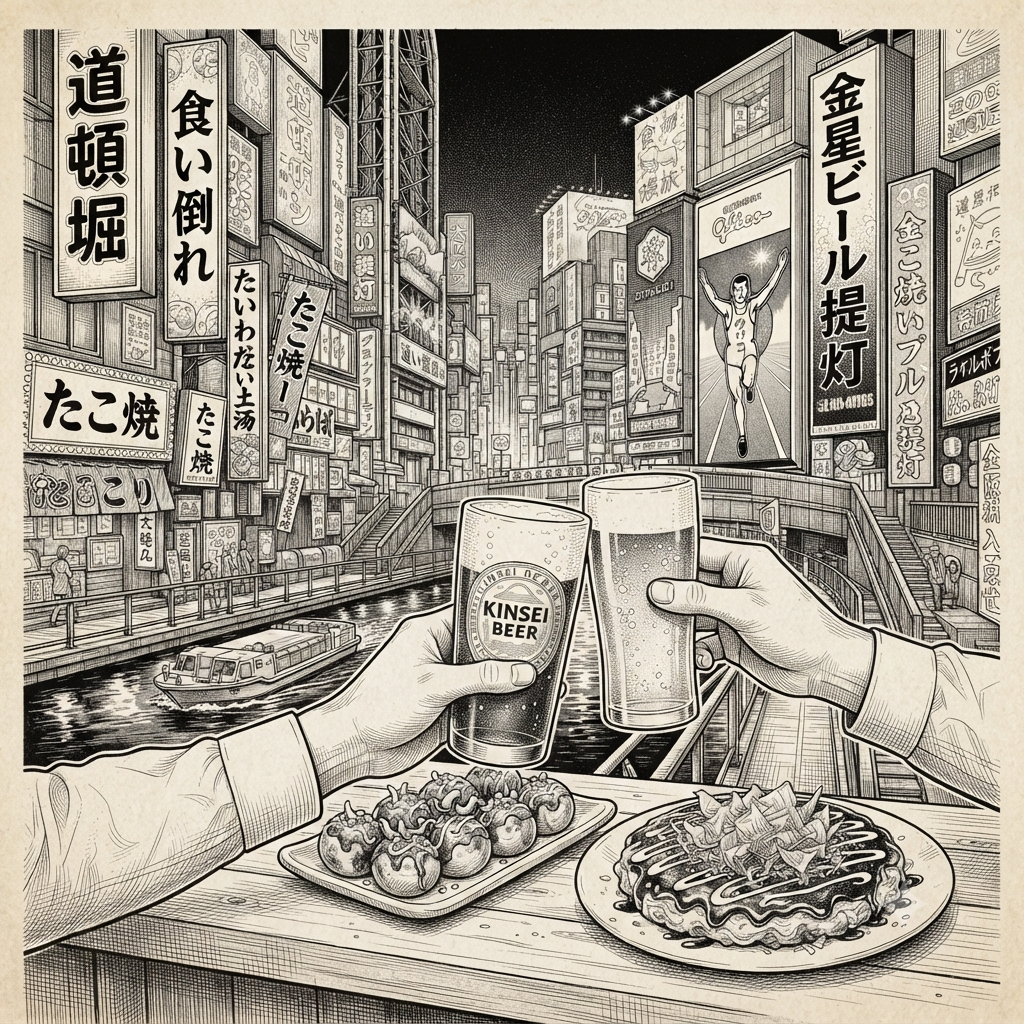
Kuidaore (食い倒れ) — “eat until you go broke.”
Osaka wins the food war. There.
It literally means “to eat oneself into ruin” (kui = eating, taore = collapse/fall down), capturing the idea that a person might spend all their money pursuing great food. It is not about gluttony so much as Osaka’s deep cultural pride in eating well, where enjoying delicious food is considered one of life’s greatest pleasures.

Japan: Different and Better
In many countries, “cheap food” implies compromise. In Japan, it usually doesn’t.
The philosophy isn’t “finding bargains.” It’s discovering where ordinary people actually eat every day.
Tiny ramen shops.
Family-run udon shops.
Gyudon chains.
Curry houses.
Yakitori counters.
Tempura specialists.
Our target across these meals will be:
¥600–1,200 ($4–8)
The quality is often astonishing.