Cheap, Good Nara: You KNOW Any Town Outside Osaka Will Be Good
Sakurai, in the heart of Nara, is widely recognized as the birthplace of somen. Unlike the mass-produced versions found elsewhere, authentic Miwa Somen is kneaded with mountain spring water and hand-stretched through a rigorous, multi-day process.
Most visitors treat Nara as a day-trip zoo. Residents treat it as a town that shuts down early and runs on its own internal clock…
First, if you are here to eat, ignore the tourist stalls by the park.
The reality is in the grid. Nara is defined by the Kintetsu-Nara station and the quiet residential pockets that sprawl toward the hills. This is a city of early risers and seasonal, vegetable-heavy cooking. You won’t find the frantic pace of Osaka or the polished service of Tokyo. You will find small, family-run shops that prioritize local Yamato vegetables and teishoku sets that focus on simplicity.
Resident Rules
The 19:00 Wall: Most authentic neighborhood kitchens close by 20:00 or 21:00. If you are hungry, you eat early.
The Kintetsu Advantage: The real life of the city happens around the Kintetsu-Nara line, not the JR line. Stay near the Kintetsu station for access to the actual local food scene.
Vegetable Priority: This is a temple town. The cuisine follows the seasons strictly. If it is not in season, it is not on the menu.
No Tourist Traps: If a place has a giant plastic display of food and an English menu out front, keep walking. Look for the small curtains and the handwritten chalkboards.
Here´s Your Cheat Sheet
Three notes, three ways to avoid the tourists.
1. Shijooji Shokudo is the Local Benchmark
This is the baseline for Nara dining. It is not an experience. It is a cafeteria that serves the neighborhood. Expect simple grilled fish, fresh rice, and seasonal pickles. If you want to know what a Tuesday lunch feels like for a local, this is it. It is cheap, fast, and stays open just long enough for the dinner rush.
2. The Sanjo-Dori Alleys are a Hidden Grid
.The main Sanjo-dori street is a tourist gauntlet. But take any side alley heading north or south and the price points drop while the quality rises. We are documenting the small, unlisted shops here that rely on regulars rather than foot traffic. If you see a faded curtain and no English menu, you are in the right place.
3. Supermarket After-Hours
3. The Supermarket After-Hours IIn a city that shuts down by 20:00, the supermarket clearance rack is a survival tool. We track the 19:00 price drops in the prepared food sections of local markets like Okuwa or super-centers near Kintetsu-Nara. This is where you find the best value for your yen, and it is how a resident finishes the day without wasting money.
A Thatched Roof + Udon and Matcha in the Nara Deer Park
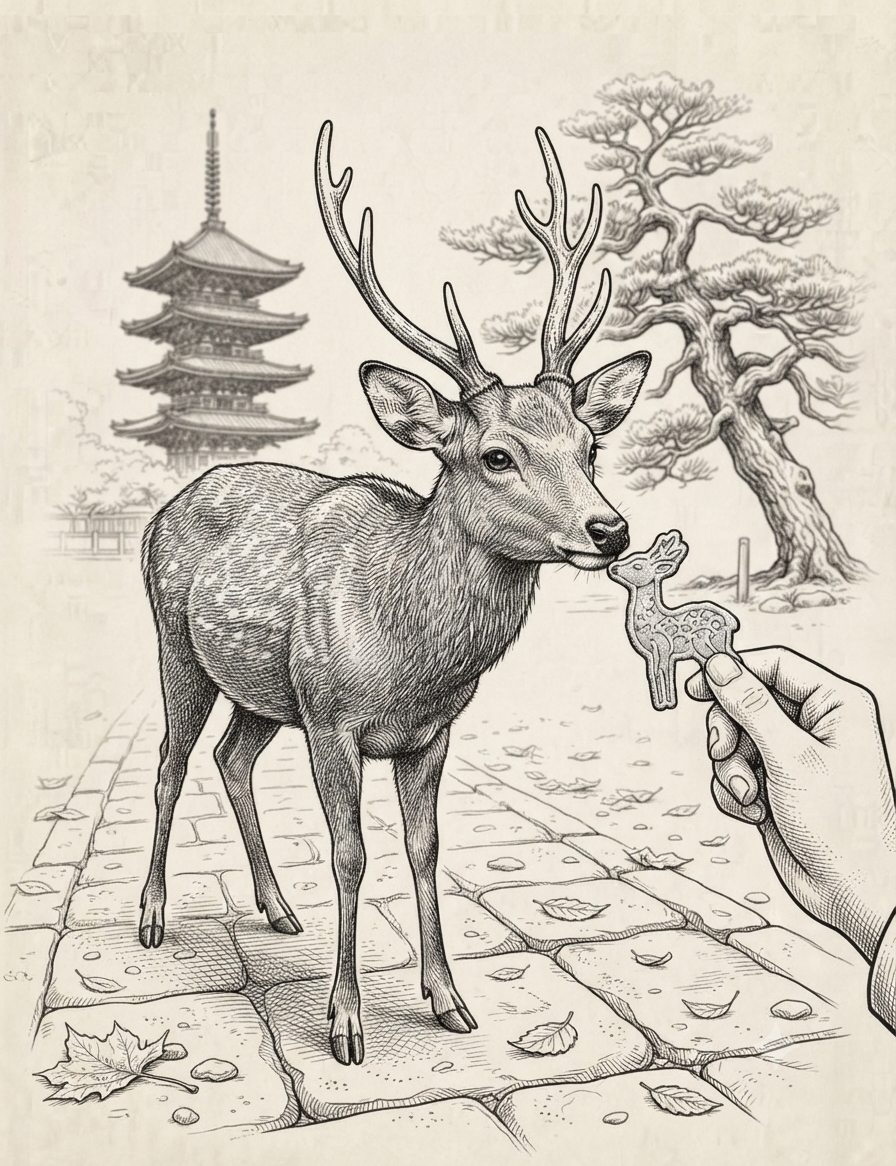
We fully recommend Mizuya Chaya. This is an adorable little spot, unpretentious, and benefitting from the four-legged interlopers who wander up to assess noodles and tea house snacks. TripAdvisor menu is here., but you´ll need to follow this Instagram account to feel true peace.
Want to receive a launch email?
CheapGood is about finding the meals locals eat every day that deliver exceptional quality for less money than you´d expect to pay. We´re currently verifying our lists and curating our notes… leave your email and receive a notification when we launch.
Know your Teishoku.
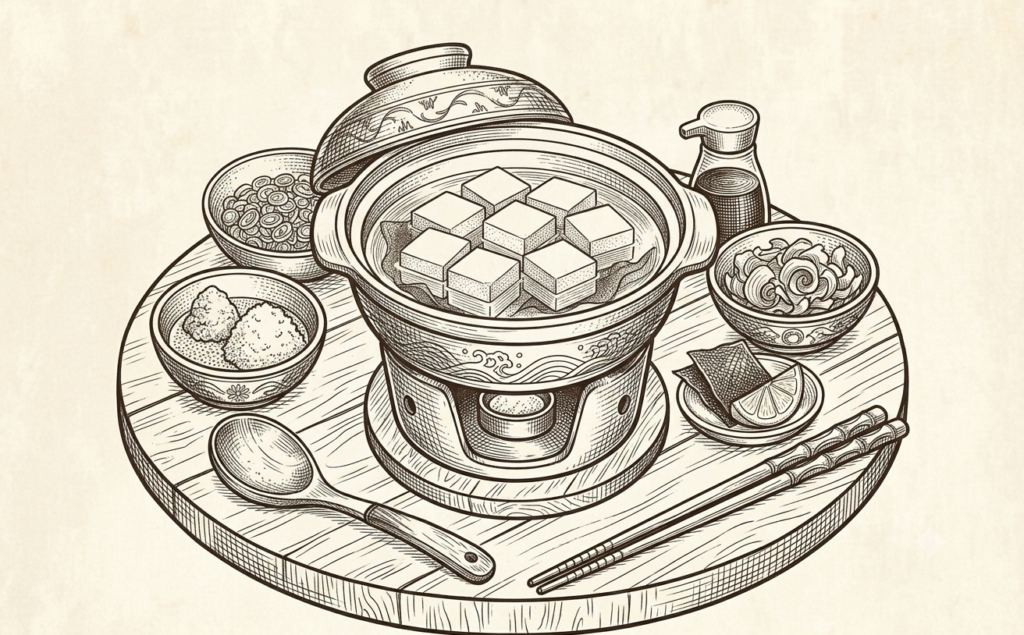
Teishoku, the classic Japanese set meal, originated in Zen temples, where one main, one side existed in balance, seasonally, and provided core nutrition for both lunch and dinner. Now it´s a family restaurant staple and a concept you can use lightly to eat fully and healthily, or get deep into, with a dizzying array of fish and side combos from everyone´s favorite mains: salted mackerel to fried chicken.
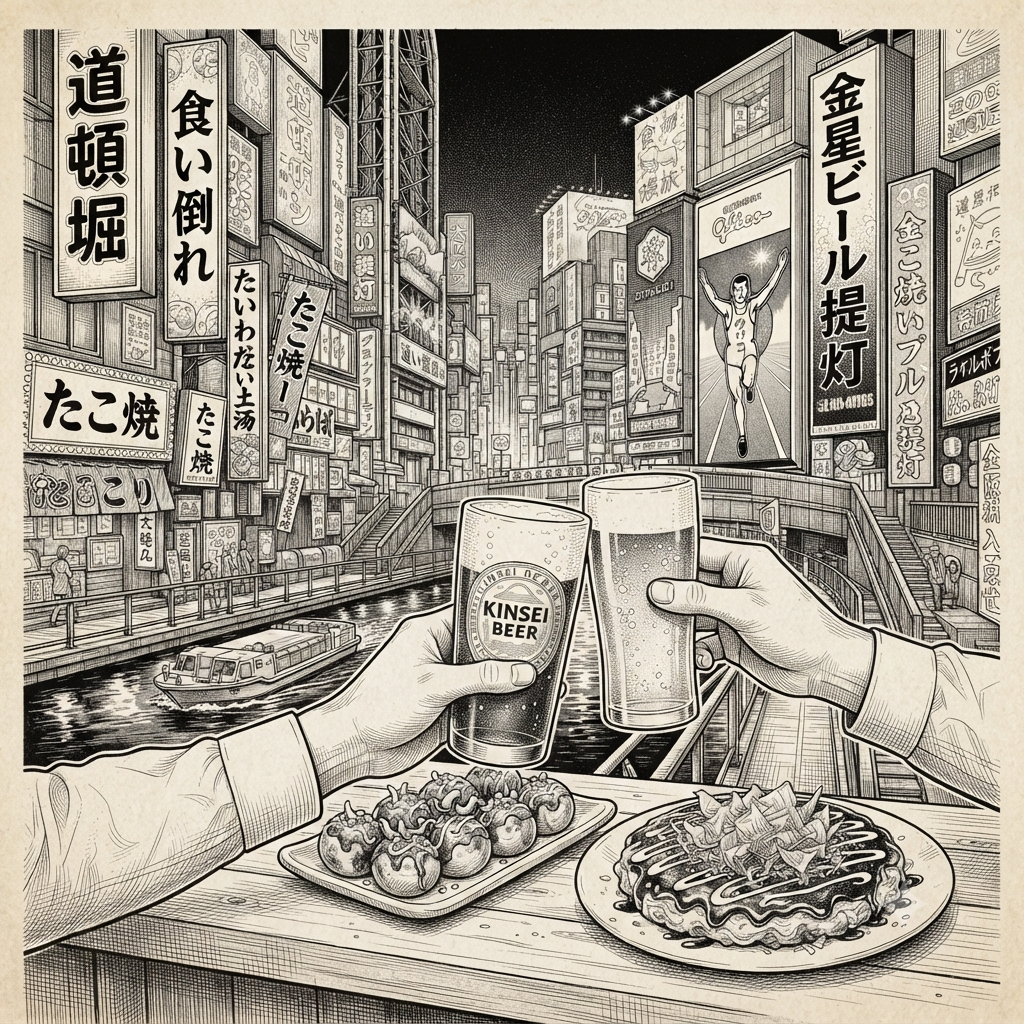
Kuidaore (食い倒れ) — “eat until you go broke.”
Osaka wins the food war. There.
It literally means “to eat oneself into ruin” (kui = eating, taore = collapse/fall down), capturing the idea that a person might spend all their money pursuing great food. It is not about gluttony so much as Osaka’s deep cultural pride in eating well, where enjoying delicious food is considered one of life’s greatest pleasures.

Japan: Different and Better
In many countries, “cheap food” implies compromise. In Japan, it usually doesn’t.
The philosophy isn’t “finding bargains.” It’s discovering where ordinary people actually eat every day.
Tiny ramen shops.
Family-run udon shops.
Gyudon chains.
Curry houses.
Yakitori counters.
Tempura specialists.
Our target across these meals will be:
¥600–1,200 ($4–8)
The quality is often astonishing.