Cheap, Good Osaka: It´s Basement Time.
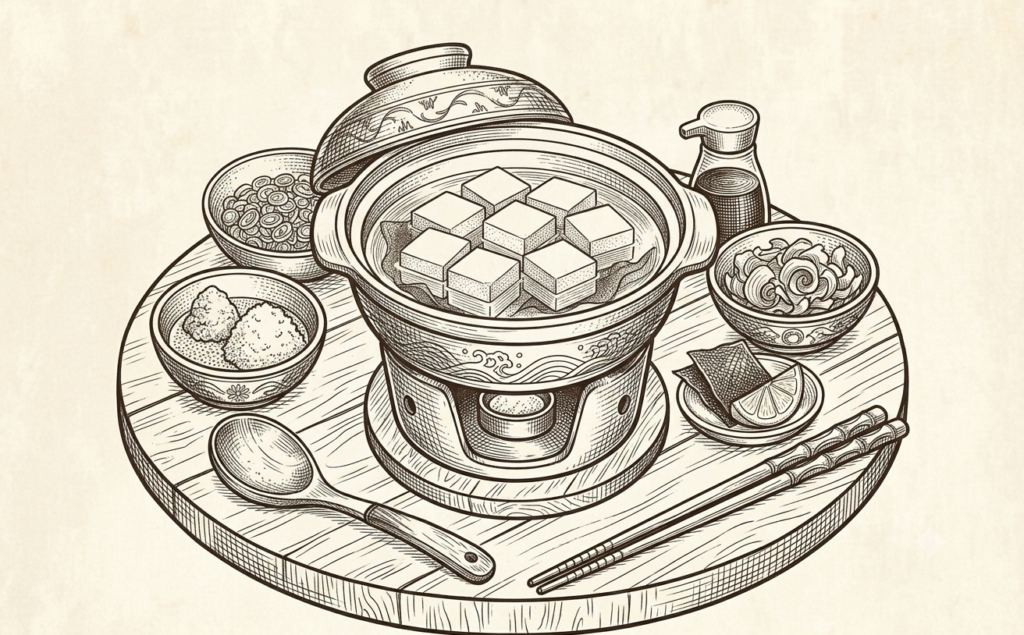
Pro Move: Seek out Kitsune Udon. It is the ultimate test of an Osaka kitchen; the broth must be light, golden, and umami-forward, balancing the sweetness of the deep-fried tofu (aburaage). If the broth is dark and soy-heavy, you are in a tourist-geared establishment.
You´ve read Reddit and know Dotonbori is a trap.The true soul of Osaka is found in the alleys, the basement food halls, and the kitchens that prioritize value over spectacle.
The Osaka Resident Shortlist: The Nitty-Gritty
1. The “Depachika” Lunch Rush
Department store basements—specifically Hankyu and Hanshin in Umeda—are the city’s most reliable, high-volume kitchens. The resident strategy is to hit these B1/B2 floors between 19:00 and 19:30, when high-end bento and prepared deli items are marked down by 30–50%. Look for the “Sozai” (deli) sections near the main escalators to find high-quality, additive-free meals.
2. The Under-Grid Navigation
Osaka’s “under-grid” is a massive network of subterranean malls connecting Namba, Umeda, and Tennoji. Don’t look for the main branded storefronts; search the secondary, “un-connected” corridors for hole-in-the-wall udon and kushikatsu stands. If the hallway looks like a simple corridor and the shop has fewer than 20 seats, you’ve found a local utility hub that prioritizes speed over tourist aesthetics.
3. The 19:00 Clearance Rhythm
In residential neighborhoods like Tennoji or the periphery of Namba, local supermarkets execute a strict daily price-drop on prepared foods (sashimi, tempura, grilled meats) at 19:00. This is a survival tool for locals to stock high-quality meals for pennies on the dollar. When you see staff applying new stickers to the deli racks at 19:00, move fast; this is the highest value food in the city.
4. The “Standing” Izakaya Economy
For an authentic experience, skip the tourist sit-down spots and search for “立ち飲み” (Tachinomi) in the back alleys of Ura-Namba, Tenma, or Shinsekai. You’ll know you’re in the right place if you see red lanterns (akachōchin) and a crowd of locals standing at a counter. The rule: buy one drink, order two skewers, and don’t expect a menu—point at what your neighbor is eating and say “kore onegaishimasu”.
5. The “Kissaten” Morning Loop
Osaka’s morning ritual is centered in retro-style coffee shops (Kissaten) like the historic Marufuku Coffee (Sennichimae Main Store). Search for shops with 50+ years of history—look for dim lighting and worn leather booths. Order the “Morning Set”: for the price of a coffee (typically 400–600 yen), you receive a thick slice of toast, a hard-boiled egg, and often a small salad.
6. The West-Side Price Floor
The further west you move from the main Shinsaibashi artery into districts like Nishi-ku or Taisho, the more the “tourist premium” vanishes. Search for “定食屋” (Teishoku-ya) on your map app in these areas. Target shops with faded navy-blue noren (curtains) and no English signage; these family-run kitchens serve set meals that are significantly cheaper than anything in the central tourist zone.
Here´s Your Osaka Cheat Sheet
Three notes, three ways to avoid the tourists.
1. The Basement Food Hall is the Local Engine
IIgnore the glossy, multi-story restaurants in Dotonbori. The real Osaka daily meal happens in the depachika (department store basement food halls) and the underground interconnected mall networks like Namba Walk. These spaces are where the city’s true dining pulse beats—fast, high-quality, and affordable. If you are eating where the commuters grab their evening supplies, you are eating the honest version of Osaka.
2. The “Kuidaore” Alleys are the Real Grid
The main thoroughfares of Namba and Shinsaibashi are tourist gauntlets designed for spectacle. But turn into the narrow, unlit alleys just one block off the neon grid and you will find the small, counter-style shops that define Osaka’s “eat until you drop” culture. We are documenting the places with no English signs and no line-up—where the regulars go for okonomiyaki or kushikatsu that costs half the price of the spots with the giant mechanical crab signs.
3. The 19:00 Supermarket Clearance Run
Osaka is a city that values efficiency and value. When the kitchens at the smaller neighborhood shops begin to wind down around 19:00, the local supermarkets become the most vital source for high-quality, pre-prepared meals. We track the price-drop rhythm in the prepared food sections across districts like Umeda and Tennoji. This is the resident’s secret to eating well for pennies, and it is the standard way to end a day without paying the “tourist premium.”
Know your Teishoku.
Teishoku, the classic Japanese set meal, originated in Zen temples, where one main, one side existed in balance, seasonally, and provided core nutrition for both lunch and dinner. Now it´s a family restaurant staple and a concept you can use lightly to eat fully and healthily, or get deep into, with a dizzying array of fish and side combos from everyone´s favorite mains: salted mackerel to fried chicken.
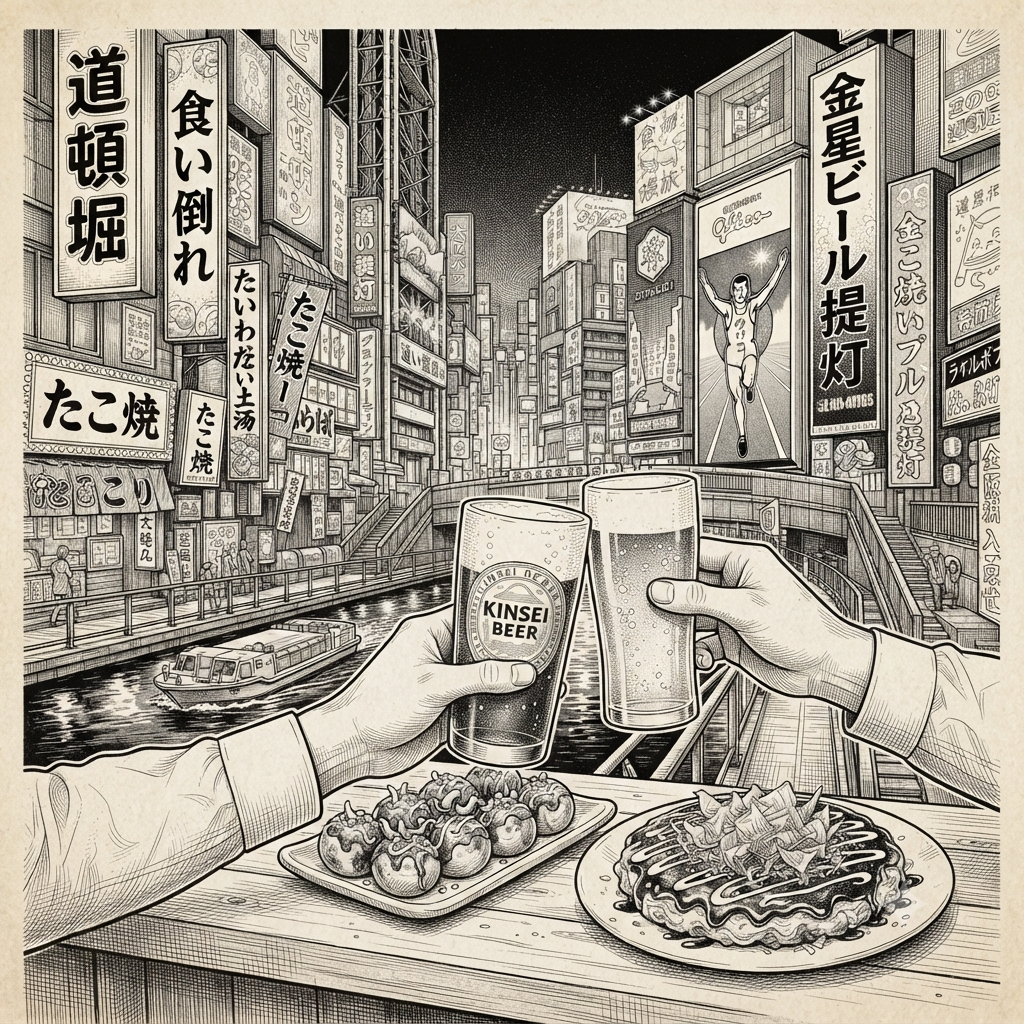
Kuidaore (食い倒れ) — “eat until you go broke.”
Osaka wins the food war. There.
It literally means “to eat oneself into ruin” (kui = eating, taore = collapse/fall down), capturing the idea that a person might spend all their money pursuing great food. It is not about gluttony so much as Osaka’s deep cultural pride in eating well, where enjoying delicious food is considered one of life’s greatest pleasures.

Japan: Different and Better
In many countries, “cheap food” implies compromise. In Japan, it usually doesn’t.
The philosophy isn’t “finding bargains.” It’s discovering where ordinary people actually eat every day.
Tiny ramen shops.
Family-run udon shops.
Gyudon chains.
Curry houses.
Yakitori counters.
Tempura specialists.
Our target across these meals will be:
¥600–1,200 ($4–8)
The quality is often astonishing.
Want to receive a launch email?
CheapGood is about finding the meals locals eat every day that deliver exceptional quality for less money than you´d expect to pay. We´re currently verifying our lists and curating our notes… leave your email and receive a notification when we launch.