What´s CheapGood Japan?
We´re a small group of folks in Japan, finding the meals Japanese locals eat every day that deliver exceptional quality for less money. Join the monthly mailing list:
What´s CHEAPGOOD JAPAN about, anyway
Follow the locals… to the after 7pm discounts
Japan’s cheap-good food secret is that quality is not reserved for expensive restaurants — it is built into everyday life. Convenience stores like 7-Eleven, Lawson, and FamilyMart, supermarket sushi counters, department store depachika food halls, station basements, neighborhood noodle shops, and tiny family-run restaurants all deliver food that would be considered premium elsewhere for surprisingly little money.
All of Japan
We’re bringing our “local-first” philosophy to Japan. From the industrial soul of Osaka to the quiet corners of Kyoto and the frantic pace of Tokyo, we are documenting the places where residents actually eat.
The curated list is arriving soon.
Tokyo
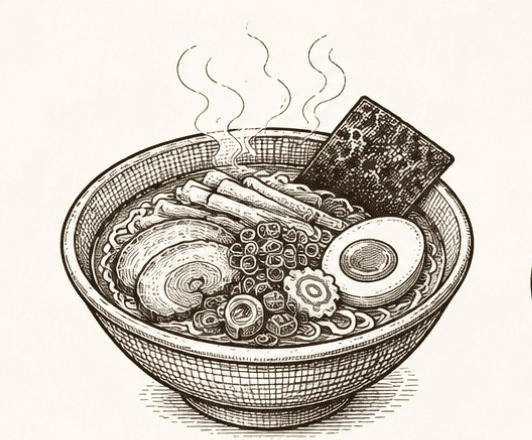
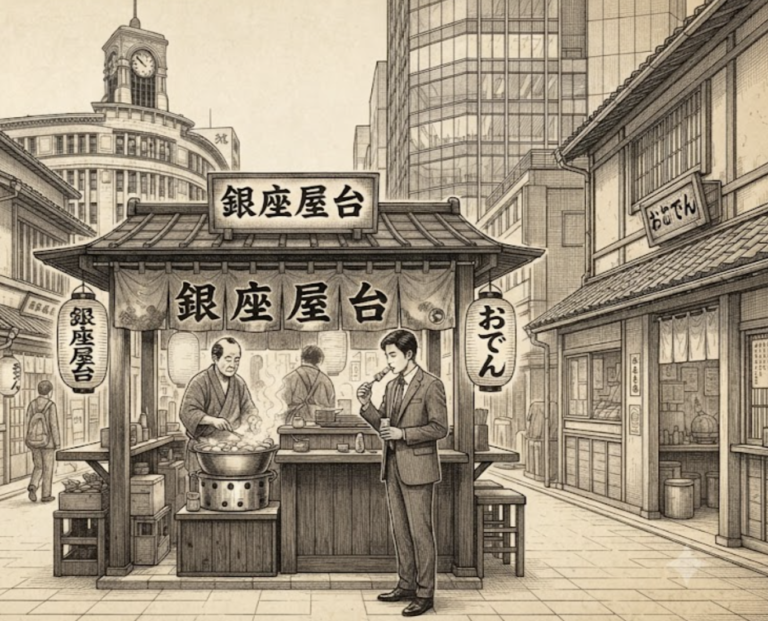
Tokyo’s CheapGood strategy is to exploit the city’s obsession with quality at every price point: convenience stores, department store basements, station food halls, gyudon chains, ramen counters, and tiny izakaya all offer surprisingly excellent food for ¥300–¥1,500. The trick is to eat where people are commuting or working — Ginza lunch counters, Shinjuku standing bars, Ueno markets, and neighborhood shotengai often hide the city’s best bargains.
Osaka
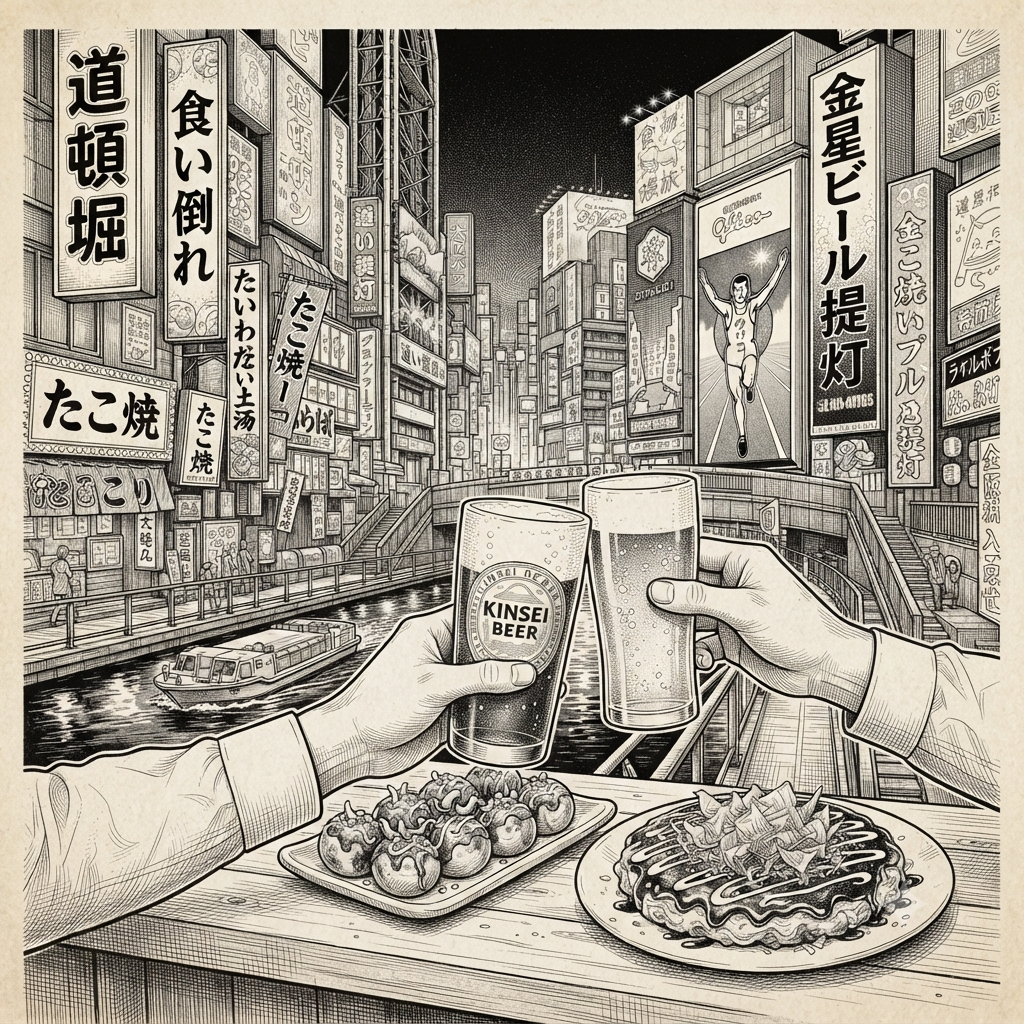
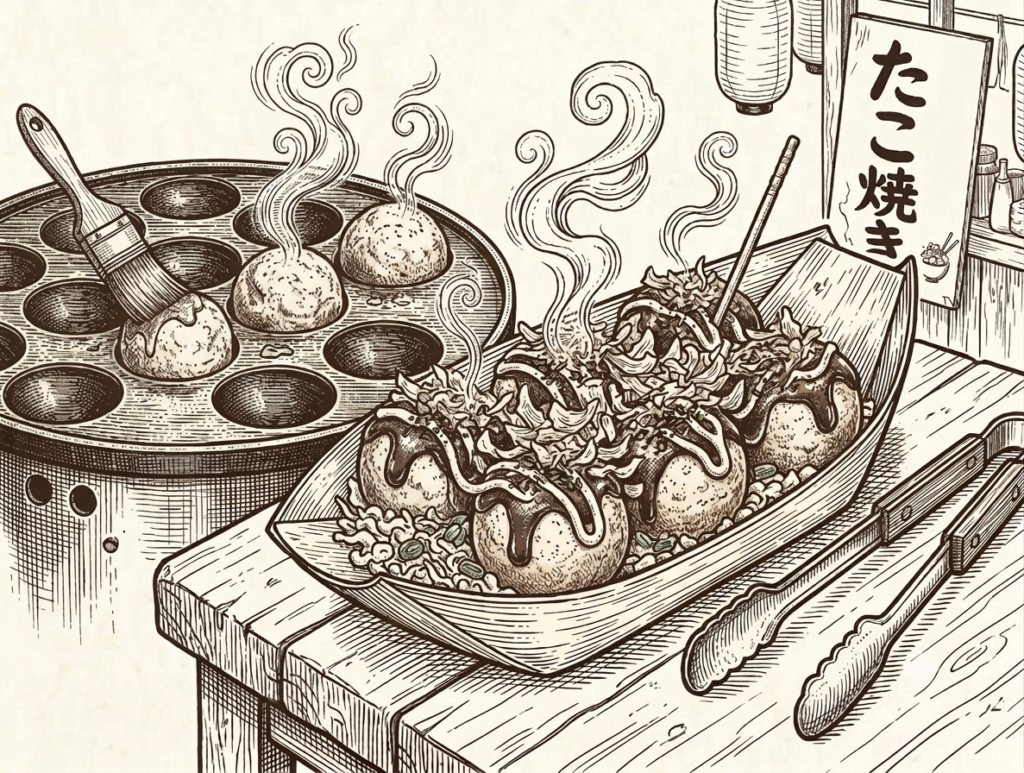
Osaka’s cheap-good food strategy is to skip the famous names and eat where locals do: Tenma’s izakaya alleys, Ura-Namba’s tiny counters, Janjan Yokocho in Shinsekai, and neighborhood udon, takoyaki, kushikatsu, and grill shops where ¥500–¥1,500 goes a long way. The city’s kuidaore spirit means the best meals are often standing at a counter, squeezing into a tiny shop, or grabbing something from a station food hall — not following the biggest signs on Dōtonbori.
Kyoto
Skip the expensive kaiseki. The real CheapGood Kyoto lives in the side streets of Gion, Nishiki Market, and Demachiyanagi, where neighborhood soba shops, tofu restaurants, kissaten, and centuries-old sweet makers serve unforgettable meals for under ¥1,500.
Recommendations and expert contributions welcome
Want to become a contributor?
Nara
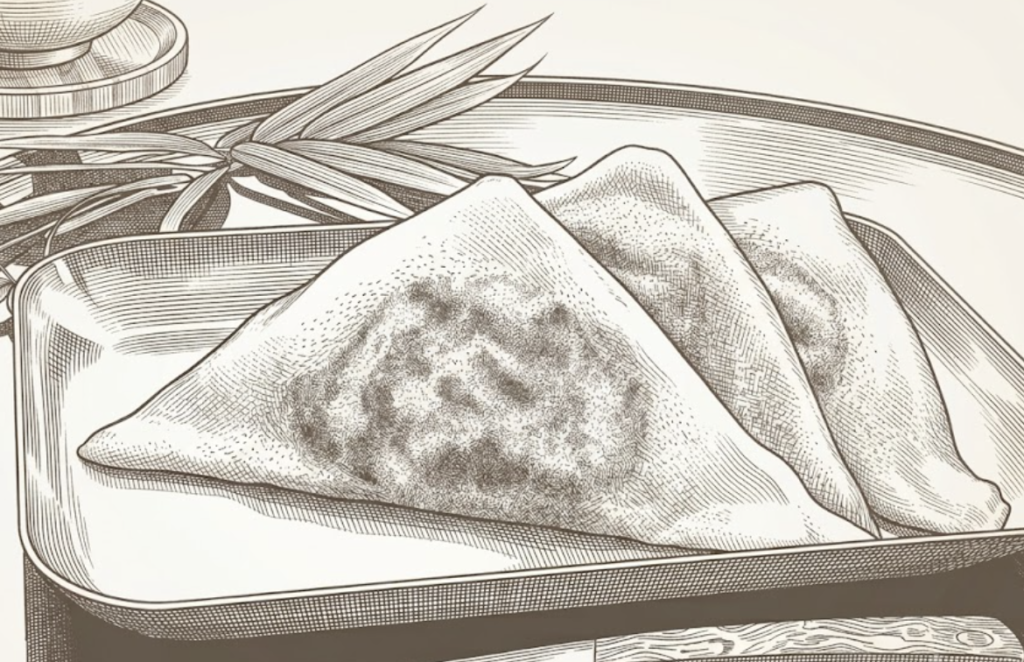
Osaka’s neighbor fully deserves its own chapter. The quintessential food of Nara is Kaki-no-ha-sushi (persimmon leaf sushi).
Because Nara is an inland region without a coastline, locals historically developed this method of wrapping vinegared rice topped with salted or pickled fish—typically mackerel or salmon—in antibacterial persimmon leaves to help preserve the sushi during transport.
As part of a set menu at a restaurant, you´ll spend ¥1,100 to ¥1,650 .and leave fully satisfied.
Fukuoka
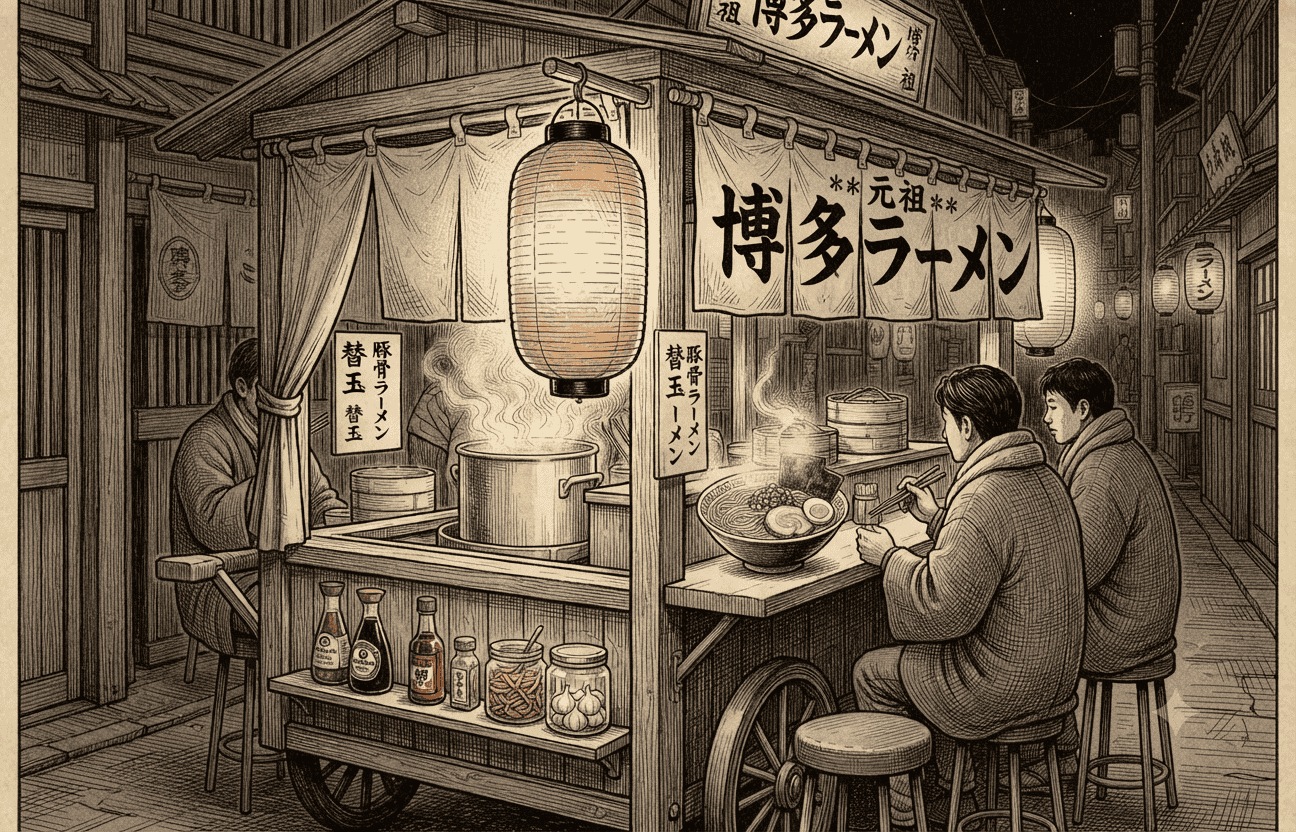
The quintessential Fukuoka food is Hakata Ramen. It is famous for its rich, creamy tonkotsu (pork bone) broth and thin, straight noodles, traditionally served at yatai (open-air food stalls).
Budget Options: You can find very affordable bowls starting as low as ¥290 to ¥500(!).
Average: Most standard ramen shops fall in the ¥600 to ¥900 range.
Yatai Stalls: Ramen at open-air food stalls (yatai) is generally priced between ¥700 and ¥1,000, and it´s worth it for atmosphere alone.
Extra Noodles (Kaedama): If you´re still hungry after your first serving of noodles, you can order kaedama—an extra serving of noodles for 100 to 200 yen (!).
Sapporo
The quintessential meal in Sapporo is Genghis Khan (Jingisukan). This is a grilled mutton or lamb dish cooked on a convex metal skillet, typically accompanied by vegetables like onions and cabbage. It is widely considered the signature local dish and is almost exclusively paired with a cold Sapporo beer.
Because this is a specialty of Hokkaido, you will find it served in dedicated “Genghis Khan” restaurants throughout the city, often featuring heavy ventilation due to the intense grilling process.
If you order individual plates of lamb and vegetables, you can expect to pay between ¥1,500 and ¥3,000 per person, depending on the quality of the meat.
All-You-Can-Eat & Drink: At iconic locations like the Sapporo Beer Garden, these set packages typically range from ¥4,000 to ¥6,500 per person for a 90-to-100-minute session. That´s right, it´s timed.
udon´s origin
Fukuoka (often called Hakata) is quietly, and perhaps even more importantly, the birthplace of udon in Japan.
The story goes that in 1241, the monk Enni (Shoichi Kokushi) returned from China with knowledge of milling techniques for flour. He is credited with establishing the first udon, soba, and manju (steamed bun) production in Japan at Joten-ji temple in Hakata.
What Makes Hakata Udon So Special?
Unlike the chewy, firm Sanuki style udon from Kagawa, Hakata-style udon is known for being:
- Soft and Thick: The noodles are intentionally soft and doughy, not “al dente.” The theory is that this soft texture makes them easier to digest for busy merchants and laborers.
- Light, Clear Broth: The dashi (soup stock) is typically very clear, light in color, and mild, usually made with katsuobushi (bonito flakes), saba-bushi (mackerel flakes), and kelp. It has a gentle, umami-rich flavor.
Know your Teishoku.
Teishoku, the classic Japanese set meal, originated in Zen temples, where one main, one side existed in balance, seasonally, and provided core nutrition for both lunch and dinner. Now it´s a family restaurant staple and a concept you can use lightly to eat fully and healthily, or get deep into, with a dizzying array of fish and side combos from everyone´s favorite mains: salted mackerel to fried chicken.
How To Tabélog
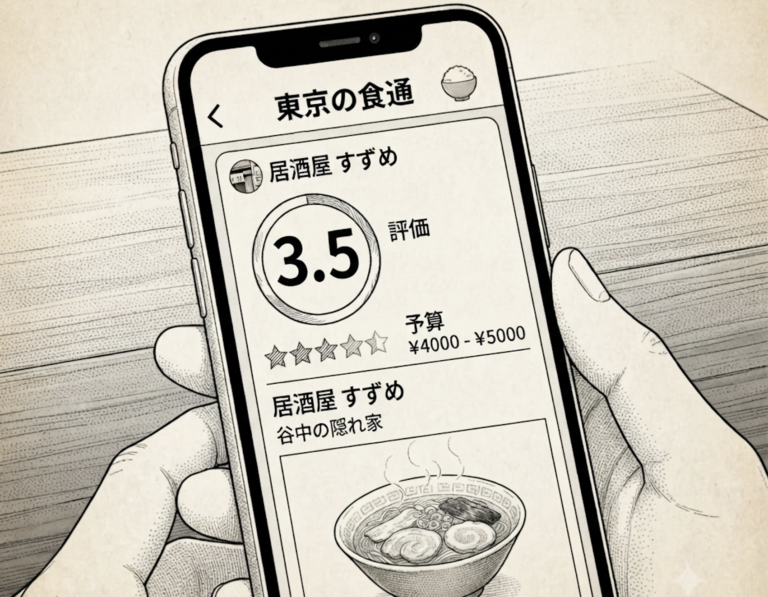
Tabelog is king. If you want crowd-sourced, legit reviews of restaurants, get it.
Yanaka, Real Tokyo
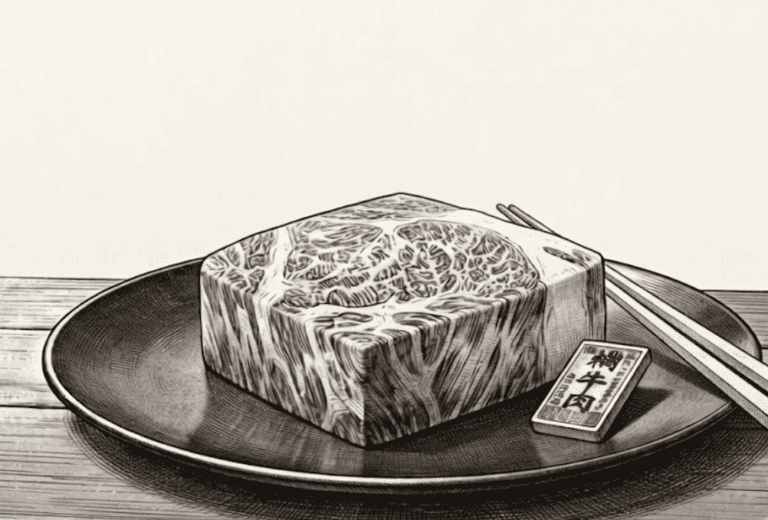
Kobe Beef on a Budget is doable across Japan, especially at lunchtime. We´ll show you how to find the uber-cheap deals too.
Buying a Cheap House in Japan
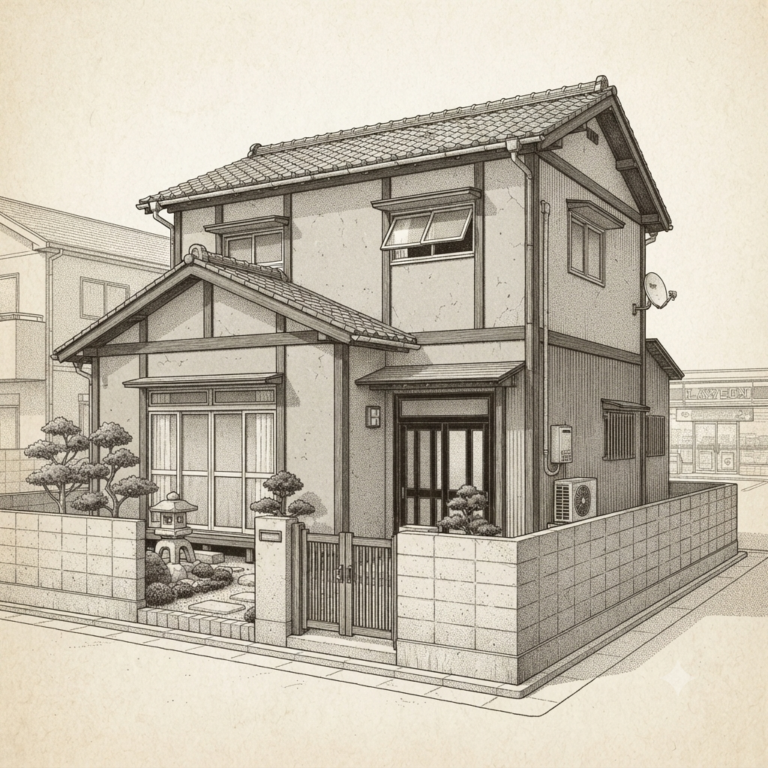
Buying property in Japan is an undeniable opportunity, and the country is decisively open to foreign investment. Because there are no restrictions on nationality, anyone can purchase real estate, including akiya (vacant homes), with the same legal rights as a Japanese citizen.
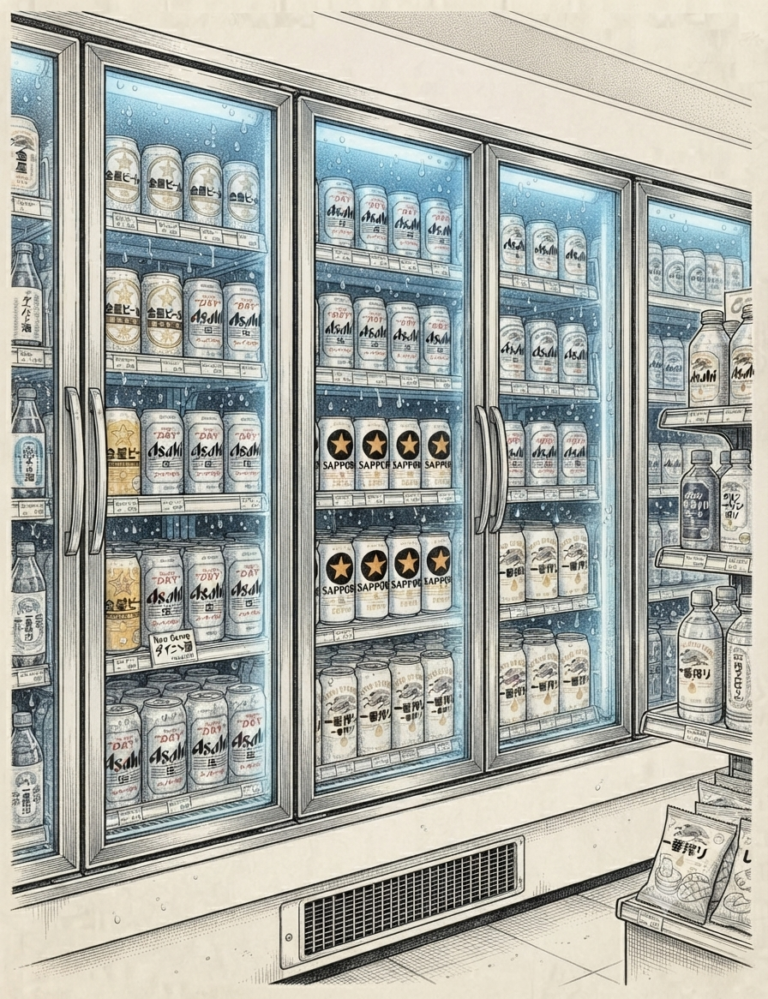
Konbini Convenience Stores
The viral explosion of konbini tourism on TikTok is driven by a fundamental contrast between the low-cost, convenient setting and the surprisingly gourmet quality of the products. And the super cheap egg sandwiches.
Kobe Beef on a Budget
Kobe beef on a budget is not exclusive to Kobe city.
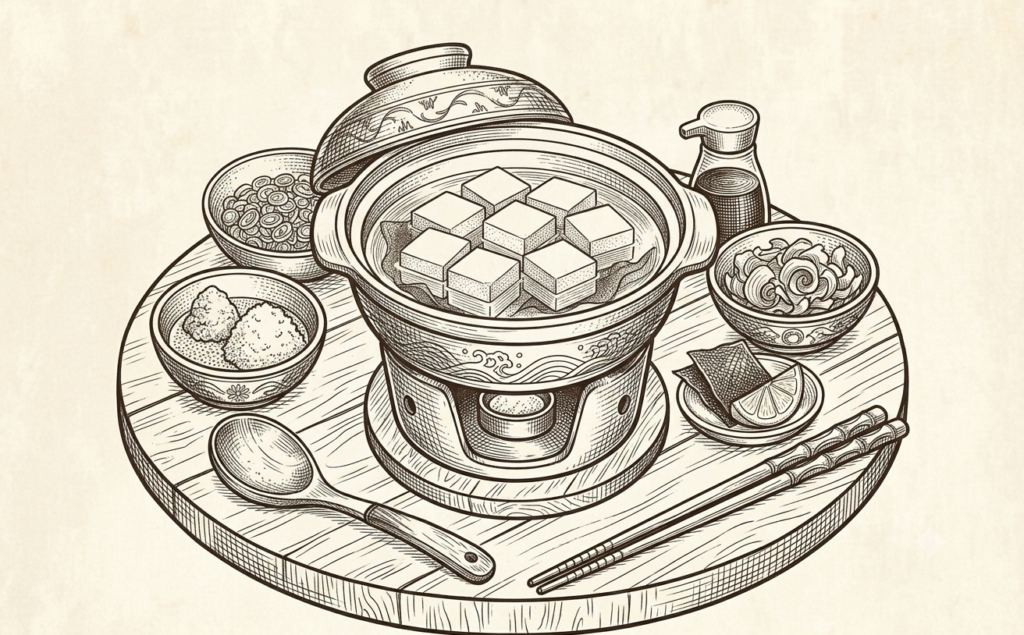
Kuidaore (食い倒れ) — “eat until you go broke.”
Osaka wins the food war. There.
It literally means “to eat oneself into ruin” (kui = eating, taore = collapse/fall down), capturing the idea that a person might spend all their money pursuing great food. It is not about gluttony so much as Osaka’s deep cultural pride in eating well, where enjoying delicious food is considered one of life’s greatest pleasures.

Japan: Different and Better
In many countries, “cheap food” implies compromise. In Japan, it usually doesn’t.
The philosophy isn’t “finding bargains.” It’s discovering where ordinary people actually eat every day.
Tiny ramen shops.
Family-run udon shops.
Gyudon chains.
Curry houses.
Yakitori counters.
Tempura specialists.
Our target across these meals will be:
¥600–1,200 ($4–8)
The quality is often astonishing.