Japan´s Sake Dens: A Mini-Directory
Choosing where to eat in a country as culinarily diverse as Japan can be an overwhelming challenge. Here´s our biased ranking of the unique flavors, regional specialties and must-do dining spots in the 6 top food cities you need to visit.
+
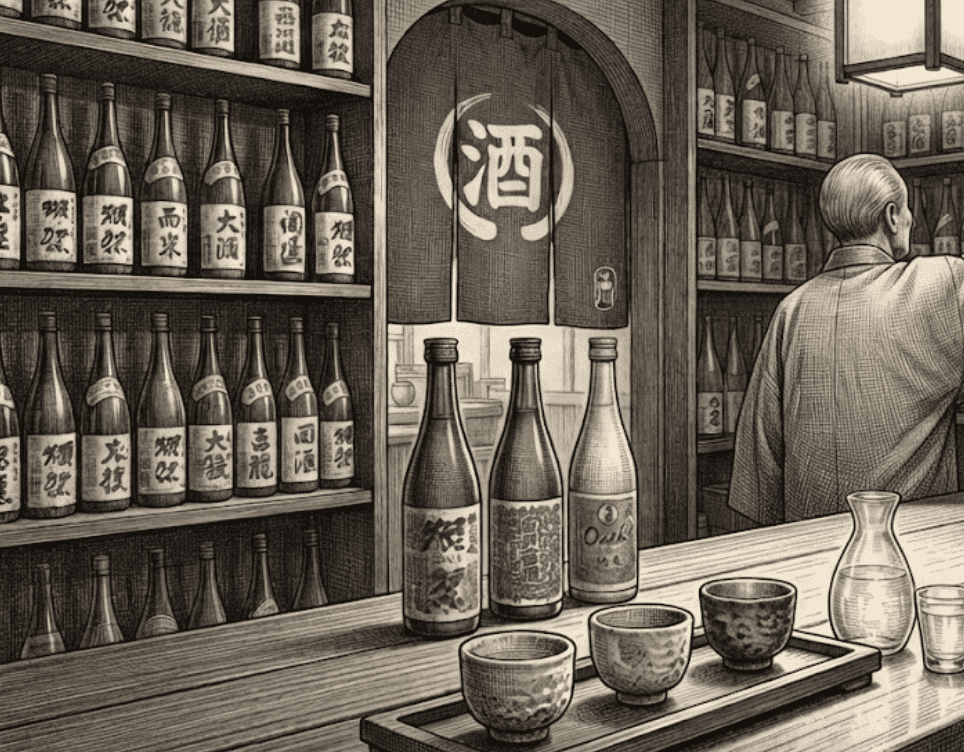
Japan´s Best Sake Dens: Unlike sometimes-rowdy izakayas, these venues prioritize brewer heritage, regional terroir, and guided tasting flights.
| City | Sake Bar/Den | Specialization |
| Tokyo | Ginza Kimijimaya | Historic shop-bar hybrid with 10+ rotating sakes. |
| Virtu | Opulent setting featuring signature sake-based cocktails. | |
| Sake Bar 42 | Curated selection of premium, small-batch bottles. | |
| Kyoto | Asano Nihonshu | Standing bar with 150+ varieties and expert pairings. |
| Masuya Saketen | Trendy spot offering high-quality sake with tapas-style dishes. | |
| Sakehall Masuya | Housed in a renovated townhouse with garden views. | |
| Osaka | Sake Republic | Enthusiast-focused space with curated flights. |
| Nihonshu Bar ○△□ | Standing-style bar with a rotating seasonal selection. | |
| Tachinomi (Uranamba) | Hidden local gems found within the vibrant Uranamba district. | |
| Sapporo | Bar Kamata | Specialist den with over 180 Hokkaido-produced labels. |
| Sake Bar Hibiki | Focuses on seasonal namazake (unpasteurized sake). | |
| Sapporo Sake Village | Cooperative tasting space for Hokkaido regional breweries. | |
| Nara | Nara Izumi Yusai | Offers 120+ brands from 28 local Nara breweries. |
| Yagi-Shuzou | Traditional storehouse featuring local brewing history. | |
| Kuramoto Shuzo | Scenic brewery setting in the Tsuge mountains. |
Sake Den Etiquette
- The Nomikurabe: Always ask for the “tasting flight” to compare styles side-by-side.
- The Yawaragi-mizu: Drink the provided water alongside your sake to keep your palate sharp and hydration levels stable.
- The Curator Approach: Ask staff to suggest pours based on what you dislike, rather than what you like; this leads to more interesting, seasonal selections.
Ch-Ch-Ch-Changes
You don’t have to treat sake like whiskey. Whiskey tasting is often about intensity, peat, or oak influence. Sake tasting is closer to wine, but with a focus on texture and umami. And one more thing is changing rapidly: less ceramic, more glass.
- The “Wine Glass” Shift: Many high-end sake bars have moved away from small ceramic cups and toward wine glasses. It’s a deliberate choice to let the floral and fruity aromas breathe—another sign that the “sake den” experience is becoming more sophisticated and less like a quick shot of shochu.
Are you Industry- or Indie-Sake?
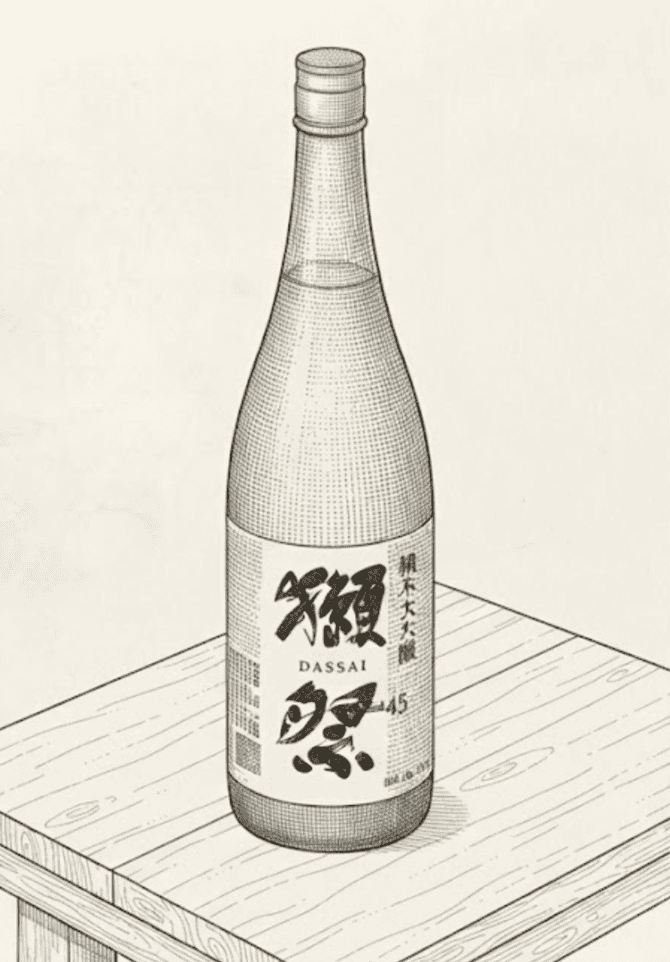
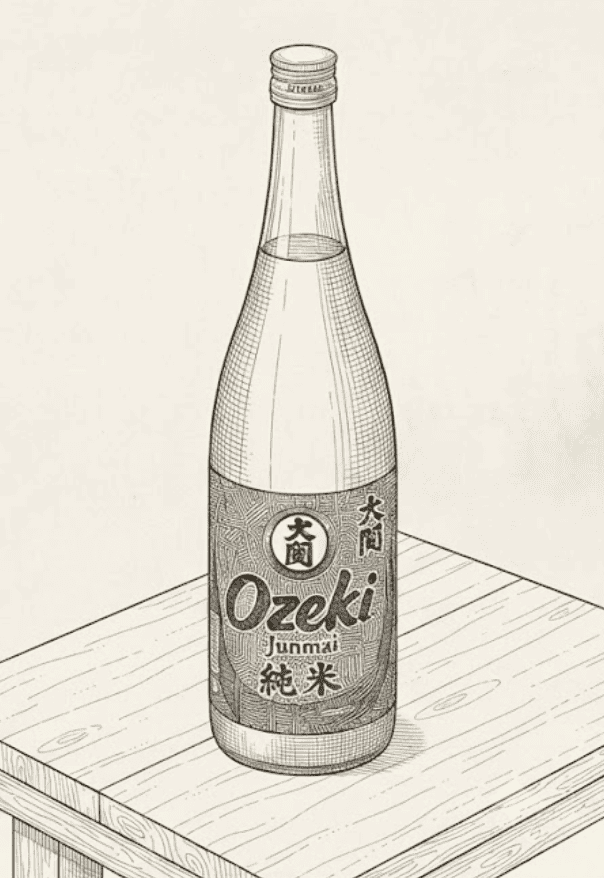
Gold standard best seller Dassai is a reliable baseline for the Ginjo style. sakes. But Daily Driver Ozeki is more umami than floral and a serious value. Or step up in price and look for Junmai Ginjo or Junmai Daiginjo from smaller, regional producers.
More Flush Deal-Hunter?
The “Special Designation” trick: If you find a bottle labeled Muroka Nama Genshu (unfiltered, unpasteurized, undiluted) within a $45-$50 price bracket, grab it. Because it hasn’t gone through extensive processing or transport overhead, you are getting the raw, high-intensity flavor profile that you would normally only see in much more expensive, limited-release bottles.
$45-$50