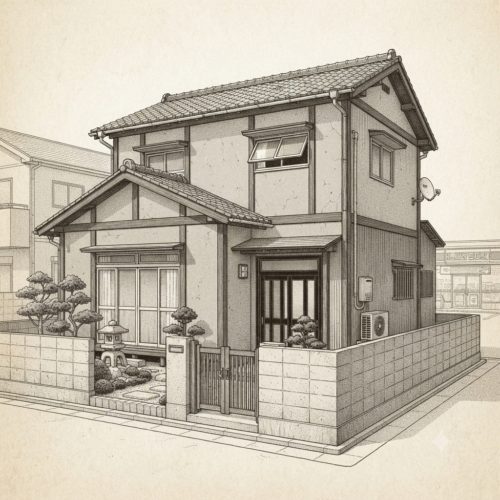
Buying a Cheap House in Japan
OK, the cheap rural houses conversation is here. Buying property in Japan is an undeniable opportunity, and the country is decisively open to foreign investment. Because there are no restrictions on nationality, anyone can purchase real estate, including akiya (vacant homes), with the same legal rights as a Japanese citizen.
+
Where to Focus Your Search
While every region has its own charm, certain areas are currently trending for foreign buyers due to a blend of lifestyle appeal, tourism potential, and active revitalization efforts.
- Kansai Region (Hyogo, Wakayama, Nara, Shiga): This is currently one of the most popular areas for foreign buyers. It offers the best balance of proximity to the cultural hubs of Osaka and Kyoto, a milder climate, and robust municipal support for property revitalization. Wakayama, with its famous Kumano Kodo pilgrimage trails, is particularly popular for those looking to convert properties into guesthouses.
- Tohoku (Miyagi, Aomori, Iwate, Fukushima): This region has some of the highest vacancy rates in Japan, meaning you will find a large inventory of very affordable properties. It is ideal for those seeking a personal retreat in nature, dramatic coastal views, or mountain landscapes, though it features longer winters and is more isolated from major transit hubs.
- Kyushu (Fukuoka, Saga, Kumamoto, Oita): Kyushu is seeing increased interest due to a growing expat and entrepreneurial community, particularly near Fukuoka. It is also a prime location for those interested in onsen (hot spring) culture and volcanic scenery, especially around Beppu and Oita.
- Shikoku (Kagawa, Kochi, Tokushima, Ehime): Known for its “slow-living” appeal and mild climate, Shikoku is becoming a hub for art-tourism and eco-friendly projects. It is an excellent choice if you are looking for a quieter, more traditional Japanese experience.
Financial Support & Revitalization Programs
Local municipalities are often eager to have these homes restored and occupied, and many provide financial incentives to help make that happen.
- Renovation Subsidies: Many local governments offer grants that can cover 30–50% of your renovation costs, often up to ¥1–3 million. These programs are specifically designed to help buyers modernize older structures while keeping their traditional character.
- Akiya Banks: These are the primary tool for finding properties. They are municipal-led databases that list available abandoned homes in specific areas. They are the most reliable way to find homes that are genuinely available for purchase.
- Conditions of Support: Keep in mind that these subsidies often come with specific requirements. You may be asked to commit to using the property as your primary residence for a set period (usually 3–5 years) rather than using it exclusively as a vacation home or short-term rental.
A Note on the Process
To succeed, focus on these three pillars of due diligence:
- Professional Guidance: Work with a bilingual real estate agent or interpreter. They are essential for navigating the local bureaucracy, communicating with municipal offices, and negotiating with contractors.
- Seismic and Structural Integrity: Many older homes predate Japan’s 1981 seismic building standards. Always have a professional structural inspection done to understand the cost of retrofitting and repairs before you commit.
- The “Big Picture”: Remember that property ownership does not grant you a visa or residency in Japan. You will still need to meet independent immigration requirements if you plan to live in your new home long-term.
By focusing on regions with active revitalization programs and working with local experts to navigate the technical side of renovations, you can successfully turn an akiya into a rewarding, long-term project.