Kobe Beef on a Budget
Authentic Kobe beef is not exclusive to Kobe city. While it is produced exclusively from Tajima-gyu cattle born, raised, and slaughtered in Hyogo Prefecture, it is distributed to a select number of certified restaurants throughout Japan. Yes, you can eat it on your budget. Here´s how:
+
First, you´re going to have Kobe for lunch, not dinner. That is just that.
The budget Kobe experience isn’t about finding a discount but rather about avoiding the markup of private teppanyaki rooms and evening service fees.
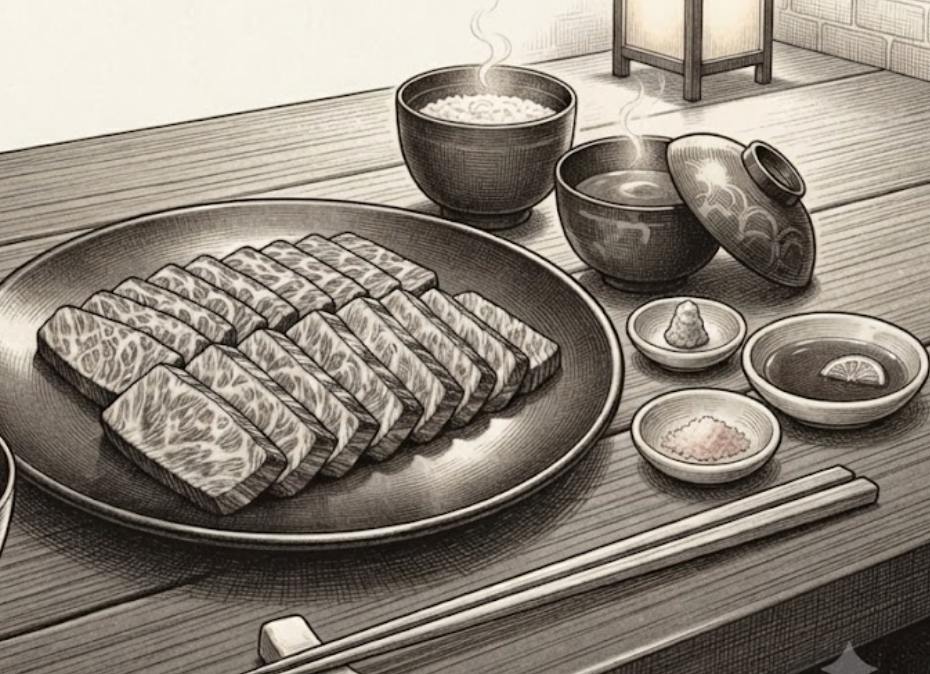
Ideally you are going to sit at a counter somewhere and the chef and staff will recommend starting with just salt or wasabi on your cut of Kobe. Don´t be drawn into fanciful menus and heavy sauces, as the point is to experience the rendered fat.
The Strategy
- The Lunch Plan: This is the most effective way to access top-tier beef without paying for the luxury of a dinner service. Lunch sets at reputable steakhouses are often half the price of dinner for the exact same cut and grade.
- Prioritize Teppanyaki Lunch Sets: Expect to spend between ¥3,500 and ¥6,000 for a high-quality Kobe beef lunch set. These typically include the beef (100g–150g), miso soup, rice, and vegetables.
- The Ultra-Super Budget Play: Sample via street food. If you are in Kobe’s Nankinmachi (Chinatown), vendors offer small 60g portions for ¥1,000–¥1,500. It is the most economical way to satisfy curiosity without committing to a full meal. But really, it is phenomenal and you should try to commit to a meal if you can.
- Tajima Over “Kobe”: Understand that Kobe beef is Tajima-gyu. If a local restaurant serves high-grade Tajima beef that didn’t meet the strict Kobe branding criteria (BMS 6+), it is often 30–40% cheaper and indistinguishable to all but the most obsessive palates.
How do you know if it´s good?
The exterior should have a perfect, thin, caramelized crust, while the interior remains incredibly tender. If the beef is tough or gristly, it is not A5-grade Kobe.
The Tasting Experience
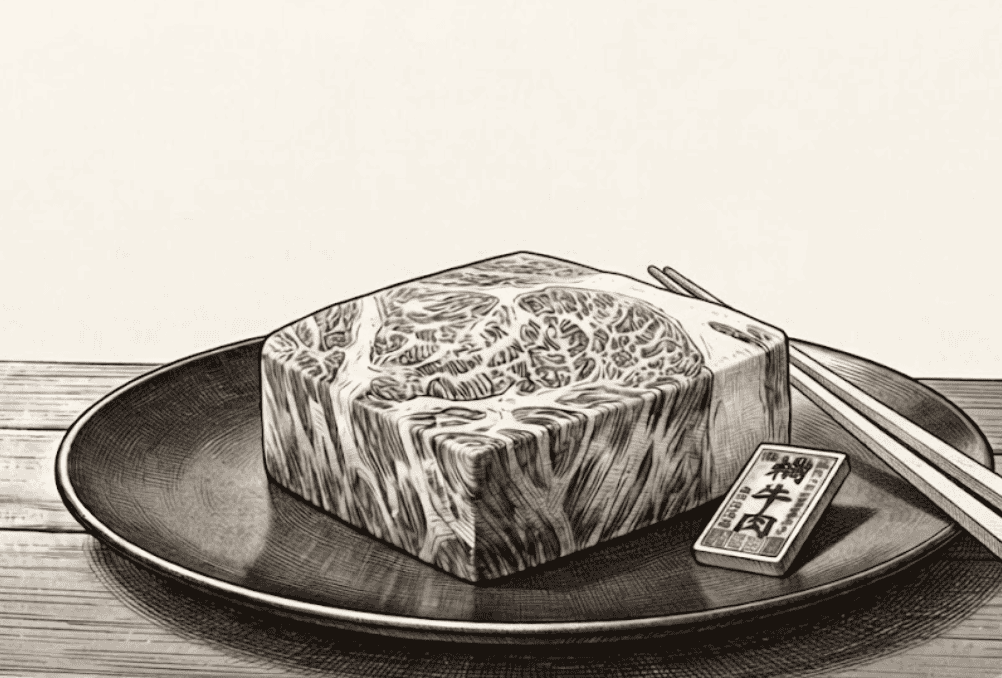
In an authentic experience, the beef is usually served in small portions or increments rather than a single massive slab. This ensures that every piece is consumed while it is at its ideal temperature, before the fat begins to solidify and become waxy.
The test of a “good” versus “great” experience is the aftertaste. Because of the intense richness, lower-quality imitations will leave a heavy, greasy film in your mouth. Truly premium Kobe beef, despite its high fat content, should feel clean and leave you wanting another bite immediately, no matter the price.
Trust but Verify
The “Kobe” brand is heavily regulated, and legitimate establishments—regardless of their city—will be able to provide the 10-digit ID number for the specific cow they are serving. If you are dining outside of Hyogo, you should look for the official certificate of authenticity displayed at the restaurant.
It is also worth noting that Japan has several other “big three” (Sandai Wagyū) beef brands, such as Matsusaka and Ōmi beef, which are equally prestigious and often more prominent in their respective regions. For a dedicated foodie, the experience is often more about finding a restaurant that honors these specific regional certifications than it is about traveling to a single city.
RED FLAGS
If you see a “Kobe” meal for under ¥3,000 at dinner, or any Kobe item at a fast-food price point, skip it. You´re better off putting that money toward a proper lunch set where the certification and quality are verifiable.
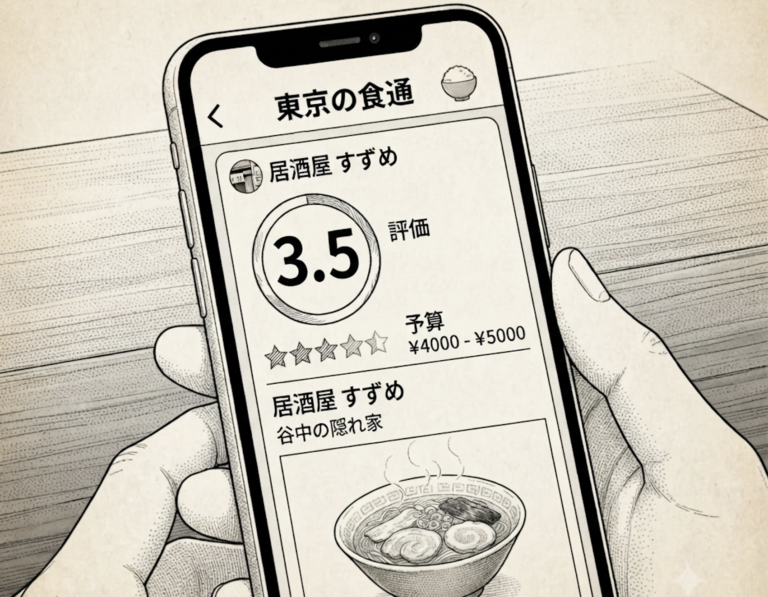
No Time for Tabelog? You can find one of these cheap eats options are almost on every-other street in Tokyo.
Reliable Cheap Local Chains:
Tokyo’s local chains are revered by residents for their absolute consistency and value. Spots like Matsuya (English menu link), Yoshinoya (English link), and Sukiya (also English) specialize in gyudon (tender beef over rice), often costing less than 600 yen. For noodles, Marugame Seimen serves piping hot, freshly made udon where you can customize your bowl with various tempura sides for a very modest price. Each of these chains offer multilingual touchscreens and remain open 24 hours a day, making them an stress-free, reliable choice.
The “Konbini” Gourmet:
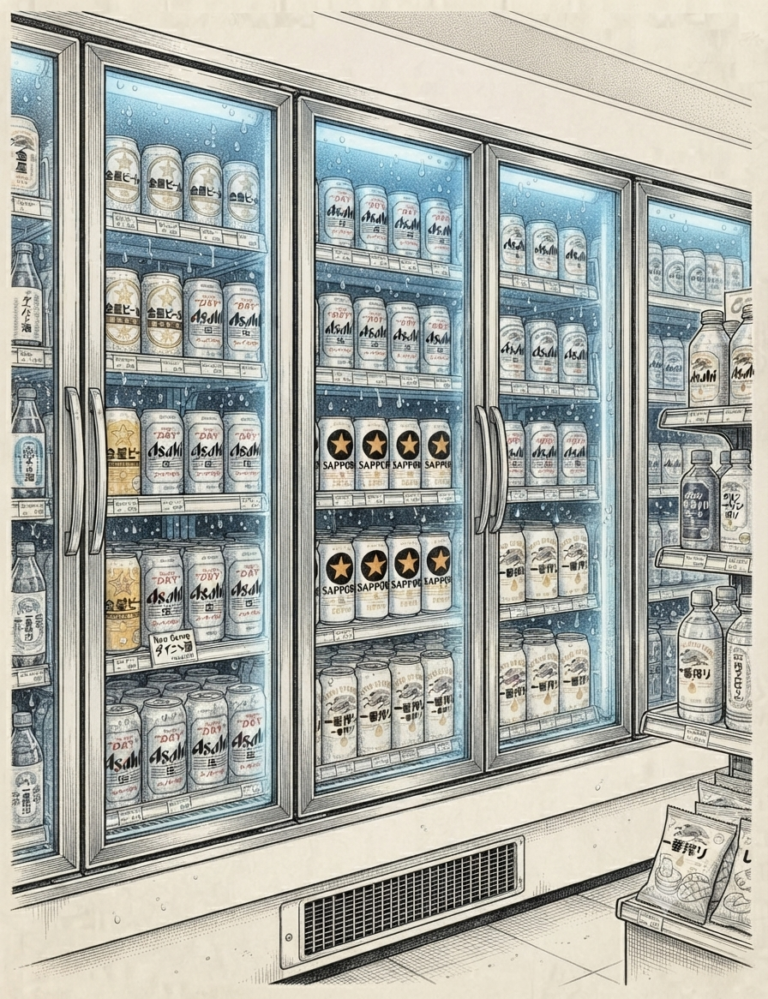
Convenience stores like 7-Eleven, FamilyMart, and Lawson are legendary in Tokyo and are not just for snacks; they are a gateway to high-quality, affordable meals. You can pick up a bento box or a warm onigiri for a quick lunch in a local park. For an even savvier hack, visit the basement “depachika” food halls of major department stores or local supermarkets after 7:00 PM, when freshly prepared meals and sushi packs are often discounted by 20% to 50%.